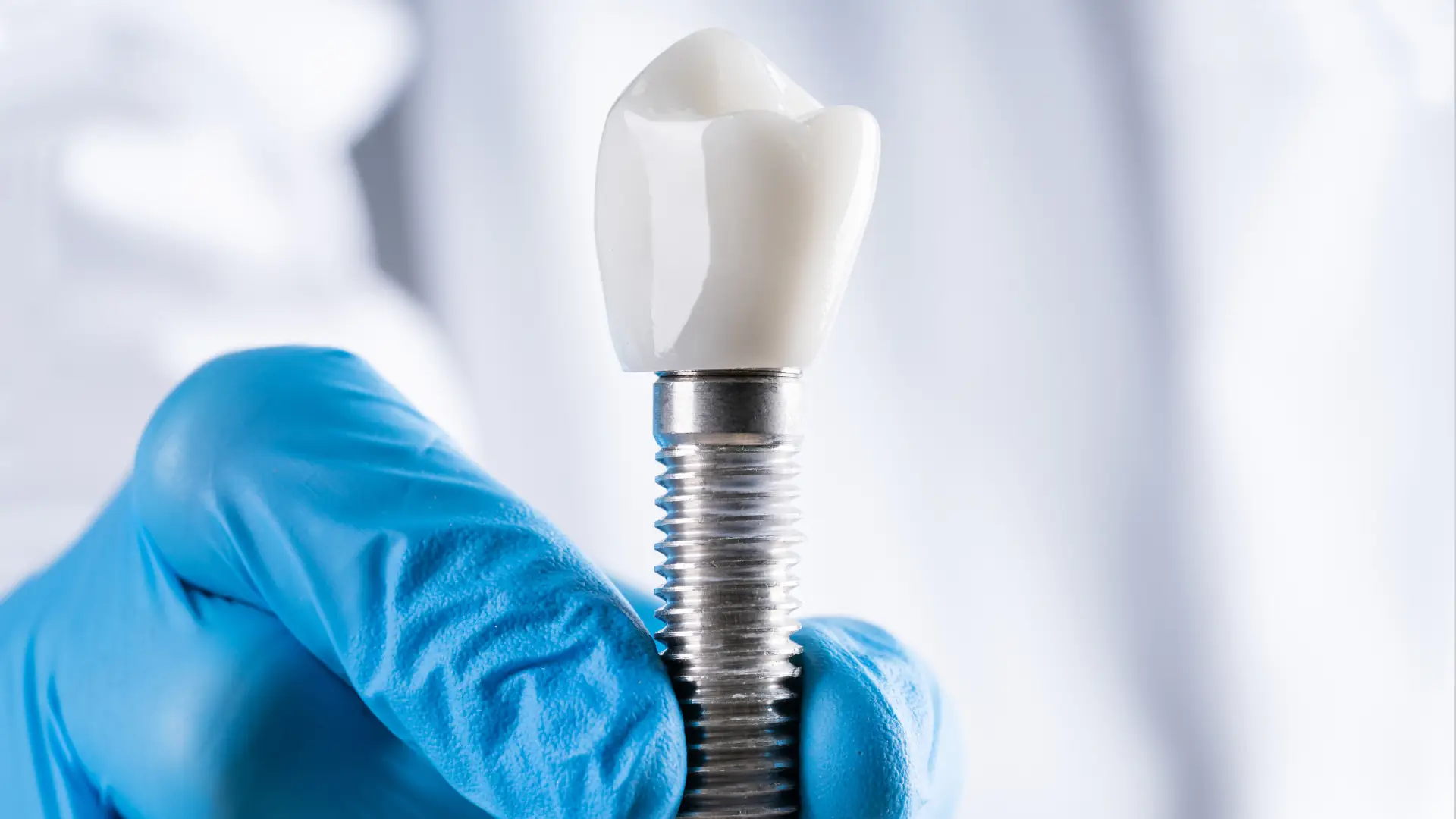
If you are missing one or more teeth and want a fixed, natural‑feeling solution, Dental Implants Salisbury treatment at Parabanks Dental may be a good option for you. Implants replace the root of a missing tooth and support a crown, bridge, or denture so you can eat, speak, and smile with more confidence.
Our team will assess your mouth and general health, explain your choices in clear language, and help you decide whether implants suit your goals, budget, and lifestyle.
A dental implant is a small titanium post that sits in the jawbone where a tooth root used to be. Over time, the bone grows around the implant and holds it firmly in place. Once the implant has healed, we attach a replacement tooth such as a crown, bridge, or denture.
Implants can help if you:
By replacing the root, implants help keep the jawbone more stable and reduce the “sunken” look that can develop after tooth loss.
Leaving gaps for a long time can lead to problems such as:
Dental Implants salisbury care aims to reduce these effects by giving the bone and bite something solid to work with again.
At Parabanks Dental we can discuss several approaches using implants:
A single implant with a crown is often used when one tooth is missing but the teeth next to the gap are healthy. This avoids cutting those teeth for a traditional bridge.
If you are missing several teeth in a row, two or more implants can support a bridge. This can be more secure and easier to clean than a long conventional bridge on natural teeth.
Implants can also help hold a full denture firmly in place, especially in the lower jaw. Small clips or attachments connect the denture to the implants, which reduces movement when you eat and speak. You still remove the denture for cleaning, but it feels more stable during the day.
We will outline the pros, cons, and costs of each approach so you can see which fits your situation best.
The implant process happens in stages so your mouth can heal properly.
We begin with a full examination, X‑rays, and often a 3D scan to assess your bone, gums, and bite. We also discuss your medical history and any medicines you take, as these can affect healing.
You receive a detailed plan that explains:
At a later appointment, we place the implant into the jawbone under local anaesthetic. You may feel pressure but should not feel pain. After the procedure, you go home with clear instructions on care, diet, and pain relief.
The implant needs time to bond with the bone, a process called osseointegration. This usually takes several months. During this time you may wear a temporary tooth or denture so you do not have a visible gap.
Once the implant has healed, we take impressions and have the final crown, bridge, or denture made. We then attach it to the implant and check the fit, bite, and appearance. You leave with a fixed tooth replacement that you can brush like a natural tooth.
We see you regularly to check that the implant, gums, and surrounding teeth stay healthy. With good hygiene and regular check‑ups, implants can last many years.
Potential benefits:
Points to consider:
We will always compare implants with bridges and dentures so you can see the differences in cost, time, and maintenance.
Implants need the same care as natural teeth. You should:
Good daily care helps prevent gum infection around implants, known as peri‑implantitis, which can shorten their lifespan.
The cost of Dental Implants salisbury treatment varies with the number of implants, the type of restoration on top, and any extra procedures such as bone grafting.
We provide a written quote and item numbers so you can check any health fund rebates. We also offer options such as DentiCare payment plans and Afterpay for eligible treatment to help spread the cost over time.
Patients choose Parabanks Dental for implant care because:
We welcome implant patients from Salisbury and nearby suburbs, including Elizabeth Grove, Elizabeth Vale, Salisbury North, Salisbury Plain, Salisbury Park, Brahma Lodge, Salisbury Downs, Paralowie, and Edinburgh.
You may be suitable if you have good general health, healthy gums, and enough bone to support an implant. Certain conditions, such as uncontrolled diabetes or heavy smoking, can affect healing. We will assess all of this at your consultation.
Implant placement is done under local anaesthetic, so you should feel pressure but not pain. Some soreness or swelling afterwards is normal and usually settles with simple pain relief and careful home care.
With good oral hygiene and regular dental visits, many implants last for many years. How long they last varies from person to person and depends on factors such as gum health, biting forces, and whether you grind your teeth.
Implants are one strong option, but they are not the only one. They avoid removing tooth structure from neighbouring teeth and can feel more secure than dentures. However, they cost more and take longer. We will compare all options so you can choose what suits you best.
Our team is ready to provide the care you need. Secure your appointment online in just a few clicks.