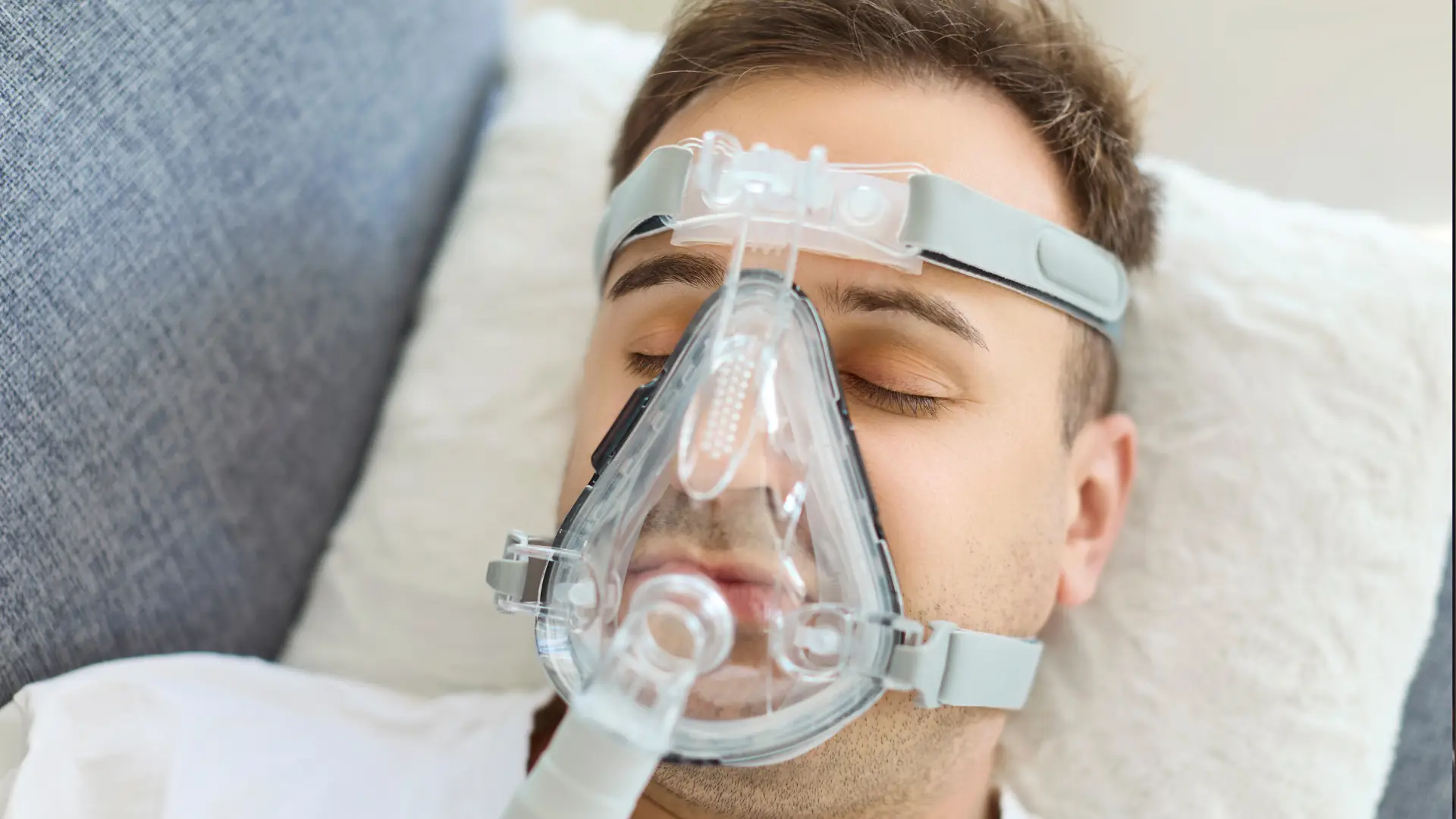
If you wake up feeling tired, snore heavily, or often experience headaches in the morning, sleep apnoea could be affecting your rest and your health. Sleep Apnoea Treatment Salisbury at Parabanks Dental provides assessment and oral appliance options that may help reduce symptoms and improve your quality of sleep.
We work with you and your doctor to understand your situation and discuss whether a dental sleep device is a suitable part of your care.
Sleep apnoea is a condition where your breathing repeatedly stops and starts during sleep. The most common type is obstructive sleep apnoea (OSA), which happens when the muscles at the back of the throat relax too much and partially or fully block the airway.
Each pause in breathing can last several seconds or longer, and it can happen many times throughout the night. This interrupts your normal sleep cycle and prevents you from reaching the deep, restorative stages of sleep.
You may not even be aware it is happening, but a partner or housemate may notice loud snoring, gasping sounds, or periods of silence followed by a sudden breath.
Disrupted sleep has a real impact on how you feel and function. You may notice:
Over time, untreated sleep apnoea is also linked to more serious health concerns, including:
Addressing sleep apnoea early can support both your everyday wellbeing and your long‑term health.
Sleep apnoea can affect adults of any age, but certain factors increase the risk:
If several of these apply to you, it is worth speaking with your doctor or asking us about an assessment.
Dentists play a specific role in sleep apnoea care through the provision of oral appliance therapy. This involves a custom‑made device worn in the mouth during sleep.
The most common dental option for sleep apnoea is a mandibular advancement splint (MAS). This device gently positions your lower jaw slightly forward to help keep the airway open while you sleep.
A well‑fitted splint can:
We take detailed impressions or digital scans of your teeth and record how your jaws meet. This information goes to a dental laboratory that constructs your custom device. At a fitting appointment, we check the fit and comfort and explain how to use and care for it.
We may also adjust the position of the device over time to find the setting that works best for you.
An oral appliance from a dentist is one part of a broader approach to Sleep Apnoea Treatment Salisbury. For a confirmed sleep apnoea diagnosis, you need a sleep study arranged through your GP or a sleep specialist.
We work alongside your medical team where needed. If you already have a diagnosis and your doctor has suggested an oral appliance as an option, we can carry out the dental assessment and fitting. If you have not yet seen a doctor about your symptoms, we will recommend you do so first.
CPAP (continuous positive airway pressure) therapy remains the most thoroughly researched treatment for moderate to severe sleep apnoea. However, for patients with mild to moderate OSA or those who cannot tolerate CPAP, an oral appliance may be a suitable alternative or complement to CPAP. We will explain the current evidence clearly so you can make an informed decision.
Your oral device needs simple daily care to stay clean and last well:
Most patients adapt to wearing the device within a few weeks. Some initial jaw awareness or excess saliva is common and usually settles quickly.
The cost of a custom sleep appliance depends on the type of device and the level of assessment required. We provide clear written quotes before we begin.
Some health funds cover part of the cost of sleep appliances under major dental or extras cover. We process HICAPS claims on the spot and can give you the relevant item numbers so you can check your benefits in advance.
For out‑of‑pocket costs, we can also discuss payment options such as DentiCare plans and Afterpay for eligible treatment.
Patients choose Parabanks Dental for Sleep Apnoea Treatment Salisbury because:
We look after patients from Salisbury, Elizabeth Grove, Elizabeth Vale, Salisbury North, Salisbury Plain, Salisbury Park, Brahma Lodge, Salisbury Downs, Paralowie, Edinburgh, and nearby areas.
A formal diagnosis from a sleep study is strongly recommended before starting treatment. This helps confirm whether you have sleep apnoea, how severe it is, and which treatment options are most appropriate. Your GP can arrange a referral for a sleep study.
For mild to moderate obstructive sleep apnoea, research shows that oral appliances can be an effective alternative to CPAP, particularly for patients who find CPAP uncomfortable to wear. For severe cases, CPAP generally remains the preferred option. We will explain what the evidence shows for your situation.
Yes. Mandibular advancement splints can also reduce snoring in people who do not have a clinical sleep apnoea diagnosis. If snoring is affecting your sleep or your partner's, it is worth having a conversation with us about whether an appliance might help.
Most people adapt within two to four weeks. You may notice some jaw awareness or increased saliva at first. These effects usually reduce as your muscles adjust. If discomfort continues, we can review the fit and positioning of the device.
Our team is ready to provide the care you need. Secure your appointment online in just a few clicks.