
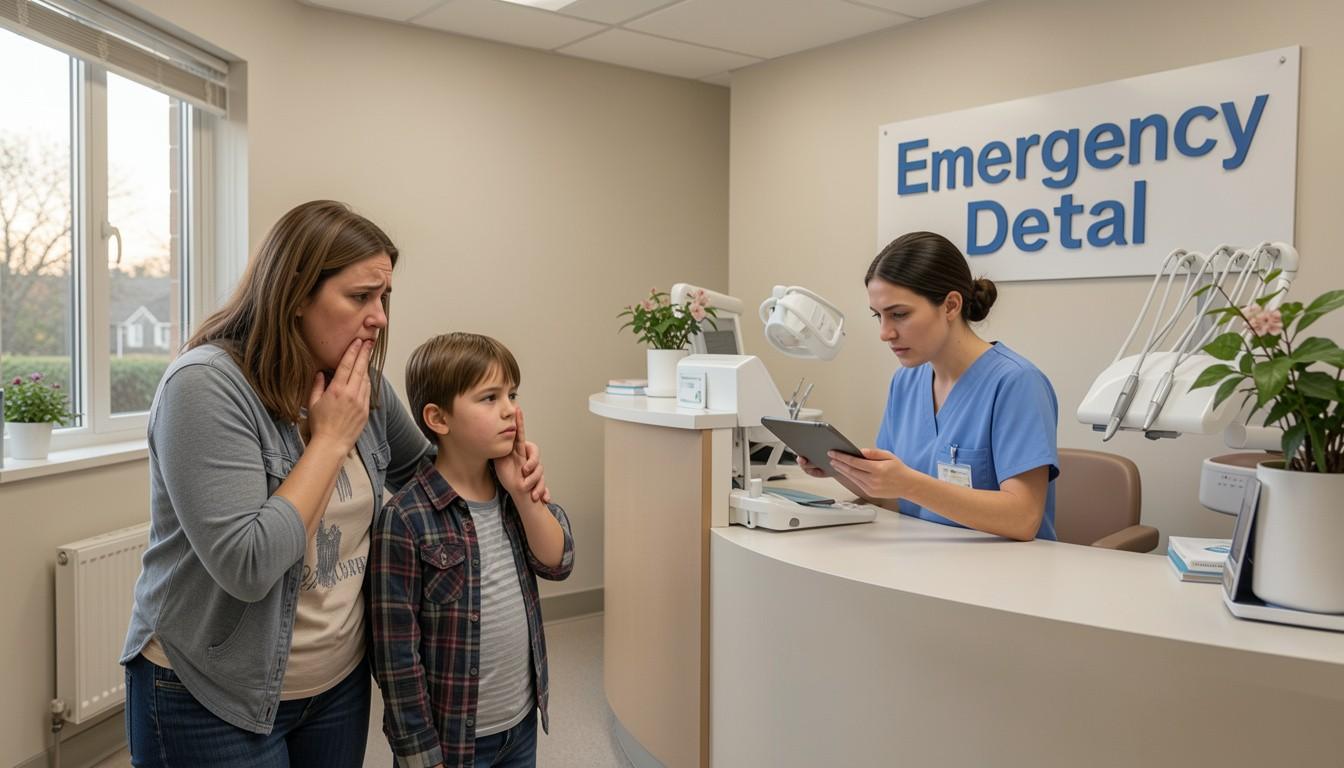
Dental pain often strikes at the worst time. If you or your child wakes up with a throbbing toothache or suffers a knocked-out tooth during sport, you do not want to waste time searching for help. You want to know exactly where to go and what to do in Salisbury, SA.
If you live in Salisbury, Paralowie, Elizabeth, or nearby suburbs, you have a mix of public and private options for emergency dental care. However, each option works in a different way and suits different situations. This guide walks you through what counts as a dental emergency, who to call, and how an emergency dentist in Salisbury can help you. It also helps you see how a local practice like Parabanks Dental fits into your emergency plan as a family.
What actually counts as a dental emergency? (toothache, swelling, trauma, broken teeth, lost fillings, broken braces, and red-flag symptoms).
A dental emergency is any problem that needs fast care to relieve severe pain, stop bleeding, or save a tooth. Severe toothache that keeps you awake, facial swelling, or a tooth that has been knocked out all count as emergencies. A cracked or broken tooth, a lost filling or crown, or broken braces that cut the cheek can also need urgent care. Red-flag symptoms include swelling that spreads to the eye or neck, trouble breathing, fever with dental pain, or bleeding that will not stop. In these cases, you act quickly and you do not wait for a routine appointment.
When you should call an emergency dentist first vs when you should call 000 or go straight to hospital.
You should call an emergency dentist first for most dental problems, including strong toothache, broken teeth, and lost fillings. Dentists have the tools to diagnose and treat the cause of the pain, not just relieve it for a short time. However, you should call 000 or go straight to the nearest hospital emergency department if there is serious facial trauma, heavy bleeding that does not stop with pressure, trouble breathing, or signs of spreading infection such as difficulty swallowing or swelling that affects the eye or neck. Hospital staff can stabilise life‑threatening issues, and you can then see a dentist for ongoing care. Hospitals usually cannot offer full dental treatment for routine toothache, so you still need a dentist once you are safe.
How emergency dental care works in Salisbury, SA: public SA Dental services, Healthdirect, and private dental practices.
In Salisbury and Northern Adelaide, emergency dental care sits across three main paths. Public services like SA Dental clinics in Salisbury offer emergency care for eligible children and some adults, often with fixed session times and triage based on urgency. Healthdirect and similar helplines can guide you on whether your situation is urgent and direct you to nearby services. Private dental practices, including clinics such as Parabanks Dental in Salisbury, provide emergency appointments for families, often with same-day care for dental emergencies and clear information about costs before treatment. Knowing which path fits your situation helps you act fast.
How to find a same-day or after-hours emergency dentist near Salisbury, including online booking platforms and what to check before you book.
If you need a same-day or after-hours emergency dentist, you can start with online booking platforms that list dentists by location and availability. Many sites let you filter for “emergency dentist Salisbury” or “after-hours dentist near me,” so you can see who has open slots. Check that the practice clearly mentions emergency dental care on their site and look for a dedicated page like emergency dentist in Salisbury so you know they handle urgent cases. Review their opening hours, location, parking, and whether they accept your private health fund or offer payment plans before you confirm your booking. If your emergency happens at night, look for practices that note after-hours arrangements or leave an after-hours message with instructions on their phone system.
Common emergency situations and what to do right away: severe toothache, knocked-out tooth, cracked or broken tooth, facial swelling, and uncontrolled bleeding.
For severe toothache, you should call an emergency dentist as soon as possible, rinse gently with warm salty water, and use over-the-counter pain relief that suits you. Do not place aspirin on the gum, as this can burn the tissue. If a tooth is knocked out, pick it up by the crown, gently remove visible dirt under cold water, and try to place it back in the socket. If you cannot do that, keep it in cold milk and get to an emergency dentist within 30 minutes. For a cracked or broken tooth, keep any broken pieces, rinse your mouth, and avoid biting on that side. Facial swelling needs fast attention because it can signal infection spreading through the jaw; call an emergency dentist and seek urgent medical help if you notice fever or trouble swallowing. Uncontrolled bleeding after an extraction or injury needs pressure with clean gauze and a prompt call to a dentist or hospital if it does not settle.
Can you go to the hospital for a toothache in Australia, and what the hospital can and cannot do for dental problems.
You can go to hospital for a toothache, but that does not mean you will receive full dental treatment. In most Australian hospitals, emergency doctors can offer pain relief, antibiotics in some cases, and care for major trauma to the face and jaw. However, they do not usually fill teeth, perform root canal treatment, or repair broken fillings. That is why hospital staff often advise you to see a dentist as soon as possible after they treat the immediate issue. You should view hospital care as backup for life‑threatening issues, not as a replacement for a visit to an emergency dentist in Salisbury.
What to expect at an emergency dental appointment in Salisbury: triage, X‑rays, pain relief, same-day treatment, and follow-up planning.
At an emergency dental appointment, the team will first assess your symptoms and medical history to see how urgent the situation is. They may take X‑rays to pinpoint the cause of your pain, such as deep decay, an abscess, or a crack. You can expect the dentist to focus on relief of pain first, often with local anaesthetic and, in some cases, drainage of infection or a temporary filling. Where possible, they will start treatment the same day, for example, beginning root canal treatment, smoothing a broken tooth, or replacing a lost filling. You will receive a clear plan for follow-up care, so you know whether you need extra visits for permanent work such as crowns or more complex restorative dentistry. Practices like Parabanks Dental’s general dentistry team can then guide you into routine check-ups once the emergency settles.
Costs and payment options for emergency dental treatment, including private health funds, Medicare limits, and why delays often cost more.
Emergency dental treatment can cost more than a standard check-up because it often needs complex work and longer appointments. In Australia, Medicare does not usually cover adult dental care, except in specific hospital or public clinic situations, so many adults rely on private health extras and payment plans. Some Salisbury practices, such as Parabanks Dental, offer payment plan options that spread the cost over time. If you have private health cover, you may receive benefits on emergency treatment, but the gap varies by fund. Acting early tends to cost less; a small filling today is cheaper than an extraction, root canal treatment, or dental implant later. Government reports show that preventable dental issues still drive thousands of hospital visits each year, which reflects the cost of delays for families.
How to use public options and helplines: SA Dental emergency clinics, Healthdirect, and when they are suitable for your family.
Public options like SA Dental’s Salisbury clinics give important support for children and eligible adults. They often run specific emergency sessions where patients are triaged and seen based on urgency, which is useful if your child has pain and you qualify for care. Healthdirect and other helplines provide free phone advice, help you decide if your situation is an emergency, and guide you to the right service. These options suit families who meet eligibility criteria and can manage waiting times. However, if you want flexible times, a choice of dentist, and the ability to continue with comprehensive care in the same place, a private emergency dentist like Parabanks Dental in Salisbury might be a better fit.
How Salisbury families can prepare for future dental emergencies: home first-aid tips, what to keep in a dental emergency kit, and saving key phone numbers.
You can make dental emergencies less stressful by preparing in advance. Keep a small dental first-aid kit at home with clean gauze, a small container with a lid, saline or clean water, and over-the-counter pain relief that suits your family. Add a note with key instructions for knocked-out teeth and a reminder never to put aspirin on gums. Save contact details for your preferred emergency dentist in Salisbury in your phone and on the fridge, along with details for SA Dental and your local hospital. Talk to older children about what to do if they get a tooth knocked out during sport, and consider a custom sports mouthguard if they play contact sport. A few minutes of planning now can save teeth later.
How regular check-ups and preventive care reduce your risk of needing an emergency dentist, especially for children and older adults.
Regular check-ups reduce the number of true emergencies you face over the years. Your dentist can spot weak fillings, cracks, and early decay before they become weekend emergencies. Children who attend routine visits under schemes like the Child Dental Benefits Schedule in Salisbury often have fewer extractions and less pain. Older adults with dentures, crowns, bridges, or dental implants also benefit from consistent reviews, because small adjustments prevent sudden breaks. If you and your family keep up with general dentistry visits, you reduce the chance of needing emergency dental care and keep costs more manageable.
Why choosing a local family dentist in Salisbury before you have an emergency can make same-day help and follow-up care easier.
If you already have a relationship with a local family dentist in Salisbury, it is much easier to get same-day help when something goes wrong. The practice knows your history, any allergies, and your existing dental work, so they can act fast and safely. They are also more likely to fit you in as an urgent patient because you are already part of their community. By choosing a clinic like Parabanks Dental as your family dentist, you set up a clear path for both emergency treatment and follow-up care, whether that is restorative dentistry in Salisbury or ongoing prevention. Saving their details now means you are not searching online in pain later.