
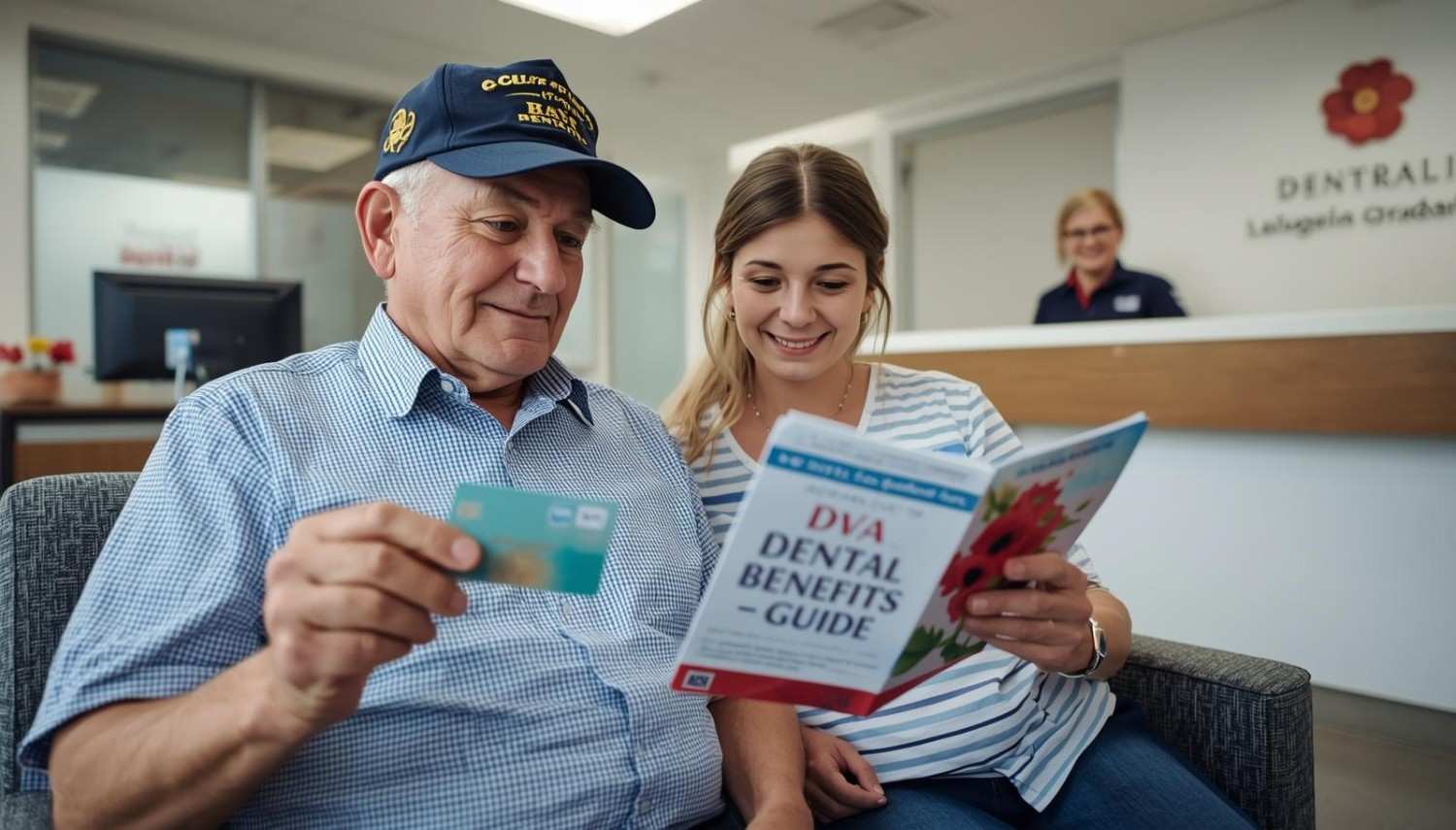
If you hold a DVA card, you may wonder exactly what dental care it covers. With clear information and the right local dentist in Salisbury, you can make good use of your DVA dental benefits and avoid guesswork.
Recent changes to DVA dental funding aim to make care more accessible and more sustainable for veterans across Australia. At the same time, the rules, fee schedules, and card types can feel confusing when you try to book a simple check-up. This guide gives you a straightforward overview of DVA dental benefits and shows how a family‑friendly practice like Parabanks Dental can support veterans and their families near Parabanks and across Salisbury.
What DVA dental benefits are and who they are for: a quick overview of Gold Cards, White Cards, and eligibility for veteran dental care.
DVA dental benefits are part of the Australian Government’s support for eligible veterans, war widows and widowers, and some dependants. Broadly, the Veteran Gold Card usually covers clinically necessary dental treatment for all conditions, while the Veteran White Card covers dental care only for conditions that DVA has accepted as related to your service. To access dental benefits, you must hold one of these cards and see a dentist who is registered with DVA and agrees to use the DVA dental fee schedule.
How DVA dental funding works in 2026: Schedules A, B, and C, the biennial monetary limit, and key updates that increase support for veterans.
From 1 January 2026, updated DVA fee schedules group dental items into Schedules A, B, and C. Schedule A usually covers routine and preventive care, Schedule B covers a range of restorative and prosthetic items with specific limits, and Schedule C applies to higher‑cost treatment that draws on a biennial monetary limit. For 2026, changes announced in government and dental sector updates increase that Schedule C cap to about $5,980.30 over two years, along with some item fee increases, giving veterans more support for complex treatment.
What Veteran Gold Card holders can expect from their dental cover (general, preventive, and major treatment based on clinical need).
If you hold a Veteran Gold Card, DVA generally pays for clinically required dental treatment, subject to item rules and limits. This can include routine examinations, X‑rays, cleans, fluoride treatments, fillings, extractions, root canal treatment, dentures, crowns, and bridges when your dentist considers them necessary for your oral health. The key idea is clinical need rather than cosmetic preference. A DVA‑registered dentist will plan your care within the fee schedule so that many services attract no gap, provided they follow DVA item rules.
What Veteran White Card holders can expect: cover for dental care linked to accepted service-related conditions, and how this differs from Gold Card entitlements.
If you hold a Veteran White Card, your dental benefits are narrower. DVA funds dental treatment only for conditions that it has accepted as related to your service, such as trauma to teeth or jaw, or oral complications of an accepted illness. This means the dentist must show that any treatment they bill to DVA is directly linked to that accepted condition. General check-ups or unrelated dental issues fall outside White Card cover and may need to be paid privately or supported by other funding, such as private health or local affordable options in Salisbury.
The main types of dental treatment DVA can fund: check-ups, X-rays, cleans, fillings, extractions, dentures, crowns, and bridges.
Across Gold and relevant White Card entitlements, DVA dental benefits can cover a broad range of treatment when clinically required. This includes:
- Check-ups and examinations
- X‑rays and other diagnostics
- Scale and clean appointments and gum disease treatment
- Fillings and root canal therapy
- Extractions
- Dentures, denture repairs, and relines
- Crowns and bridges in indicated cases
Your dentist chooses the correct item numbers from the current DVA dental fee schedule and claims them from DVA, rather than billing you directly, as long as you meet the conditions for that card type.
High-cost and complex dental treatment under DVA: Schedule C items, the $5,980.30 biennial limit, and why some services need prior approval.
Some dental treatment is more extensive and expensive, such as full mouth restorations, multiple crowns, or complex denture work. These higher‑cost cases often draw from Schedule C, which carries a biennial monetary limit of about $5,980.30 for 2026–2027. Once that cap is reached, DVA may not pay for additional Schedule C treatment until the next two‑year period, unless special approval is granted. For many complex treatment plans, your dentist must submit a proposal to DVA before starting, so DVA can confirm that the plan meets clinical and policy requirements.
What is usually not covered under DVA dental benefits (cosmetic work, non-clinical upgrades, and treatment without clinical need).
DVA dental benefits focus on clinical need, so some services are outside cover even for Gold Card holders. Cosmetic procedures, such as teeth whitening for appearance only or elective upgrades in materials with no clinical justification, are not generally funded. Treatment with no clear clinical need or items outside the fee schedule may also be excluded. In these cases, you may choose to self‑fund the additional work, ask about payment plans in Salisbury, or limit treatment to what DVA will support.
How to start using your DVA dental benefits: confirming eligibility, finding a DVA-registered dentist, and what to say when you book.
To start, confirm which card you hold and what it covers using DVA letters or online services. Next, choose a dentist who is registered with DVA and used to treating veterans. When you call to book, mention whether you have a Gold Card or White Card and, for White Cards, briefly explain your accepted condition. At the first visit, bring your card and any relevant medical information so the dentist can assess your needs and plan treatment in line with DVA rules. A Salisbury practice like Parabanks Dental, which clearly outlines its DVA dental benefits for Salisbury veterans, can make this process more straightforward.
What happens at a typical DVA dental appointment in a private practice, including for veterans who visit a local Salisbury dentist.
A DVA appointment looks much like any other dental visit, with a few extra steps in the background. The dentist examines your teeth and gums, reviews X‑rays if needed, and discusses treatment options. They then match the agreed plan with DVA item numbers and check whether any part needs prior approval or falls under Schedule C limits. In a local setting like Salisbury, this might mean combining preventive care, such as cleans under general dentistry, with restorative work like dentures or crowns and bridges funded under DVA.
How DVA billing and fees work: DVA fee schedules, gap payments, and why choosing a dentist who follows the schedule usually means no out-of-pocket cost for approved care.
DVA publishes a dental fee schedule listing the maximum it will pay for each item. DVA‑registered dentists agree to accept these fees for approved DVA services, and for Gold Card holders and approved White Card treatment this usually means no gap payment when the item is fully covered. If a dentist chooses to charge more than the DVA fee or provide non‑covered services, you may pay the difference or the full cost for those items. Choosing a dentist who works within the DVA schedule and explains fees in advance helps you avoid unexpected bills.
Practical tips for Salisbury veterans and their families: combining DVA dental benefits with other supports, such as CDBS for grandchildren and local affordable care options.
Many veteran households support several generations, so it helps to view DVA benefits as part of a broader family plan. You might use your Gold Card for your own care and a White Card for a specific condition, while children or grandchildren access the Child Dental Benefits Schedule in Salisbury. For relatives without DVA or CDBS support, you can explore affordable dental care options in Salisbury SA and flexible payment plans. Working with one family dentist near Parabanks who understands DVA, CDBS, and general dental treatments for Salisbury families keeps things simpler over time.