
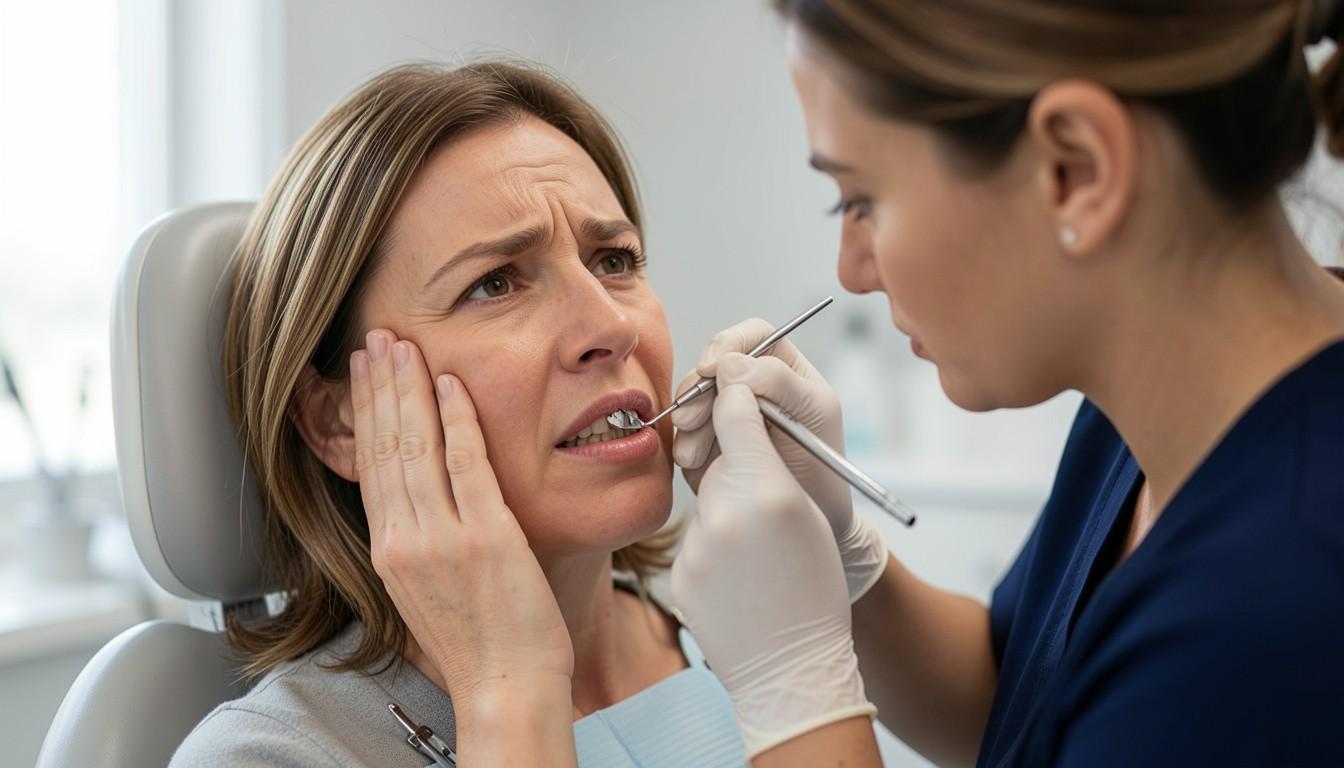
You bite into an apple, hear a crack, and suddenly realise part of your tooth has broken off. Your mind races—do you need to see a dentist right now, or can this wait until Monday? Not all broken teeth require emergency care, but knowing the difference between urgent and non-urgent situations helps families in Salisbury make the right decisions and potentially save both teeth and money. Understanding which symptoms signal an emergency and which can wait a day or two gives you confidence to respond appropriately without unnecessary panic or dangerous delays.
Understanding the Difference: Emergency vs Non-Emergency
What makes a broken tooth a true dental emergency
A broken tooth becomes a genuine emergency when you experience severe, unrelenting pain that over-the-counter medication can’t control, bleeding that won’t stop after applying pressure for 10 minutes, or visible nerve exposure in the centre of the tooth. Facial swelling, particularly around the jaw or cheek, signals a possible infection that needs immediate attention. Sharp edges that repeatedly cut your tongue, cheeks, or lips also count as emergencies because they cause ongoing injury and risk infection. Large pieces broken off—especially from front teeth or molars—require prompt care to save the tooth structure and prevent further damage.
Non-urgent situations that need attention within 24–48 hours
Small cosmetic chips on the edge of front teeth, minor cracks that don’t cause pain or sensitivity, and lost fillings or crowns that leave you uncomfortable but not in severe pain fall into the non-urgent category. These situations definitely need professional attention, but you can safely wait for the next available appointment during regular business hours. However, don’t let “non-urgent” fool you into thinking you can postpone treatment indefinitely—even minor damage can worsen quickly if bacteria enter the tooth or if you accidentally bite down wrong.
Why timing matters for treatment outcomes and tooth survival
The sooner you get professional treatment for a broken tooth, the better your chances of saving it and avoiding expensive, complex procedures later. A small chip treated immediately might only need simple bonding, whilst the same chip left for weeks could develop decay requiring a crown or root canal. Bacteria can enter through cracks and fractures within hours, turning a straightforward repair into a complicated infection. For families in Salisbury, quick access to emergency dental care makes all the difference in preserving natural teeth.
Types of Tooth Fractures Explained
Minor enamel cracks or craze lines
Craze lines are tiny, superficial cracks in the outer enamel that look like hairline fractures on a windscreen. They’re extremely common in adults and rarely cause any symptoms or require treatment. You might notice them when light hits your teeth at certain angles. Whilst they’re not dangerous, your dentist should check them during routine appointments to ensure they haven’t deepened.
Enamel chips
Enamel chips occur when small pieces break off the tooth edge, usually from biting something hard or experiencing minor facial trauma. These affect only the outer white surface and typically don’t hurt unless they create sharp edges that irritate soft tissues. Front teeth are most vulnerable to visible chips that affect your smile, whilst back teeth can chip without you immediately noticing.
Enamel-dentin fractures
When a break extends past the enamel into the softer dentin layer underneath, you’ll definitely feel it. Dentin contains microscopic tubes that connect to the tooth’s nerve, so fractures at this depth cause sensitivity to hot, cold, sweet foods, and even air hitting the tooth. These fractures appear yellowish or darker than the surrounding white enamel because dentin has a different colour.
Complicated fractures with pulp exposure
A complicated fracture reaches all the way to the pulp—the soft tissue containing nerves and blood vessels in the tooth’s centre. You’ll see pink or reddish tissue in the broken area, experience severe pain, and possibly notice bleeding from the tooth itself. These fractures always require emergency treatment because exposed pulp gets infected quickly and can lead to abscesses.
Vertical and horizontal root fractures
Root fractures happen below the gum line and often aren’t visible, making them particularly troublesome. You might feel pain when biting down or notice the tooth feels loose or has shifted position. Vertical fractures run from the crown down into the root, whilst horizontal fractures cut across the root. Both types typically result from trauma, grinding, or biting extremely hard objects.
Split or cracked teeth
A cracked tooth has a fracture line that extends from the chewing surface down towards the root, sometimes reaching below the gum line. Unlike clean breaks, cracks can be hard to diagnose because the pieces might still fit together perfectly. You’ll typically experience sharp pain when biting or releasing pressure, and the tooth might feel sensitive to temperature changes. Split teeth occur when cracks extend so far that the tooth separates into distinct pieces.
Red Flag Signs That Require Immediate Emergency Care
Severe, persistent, or throbbing pain
If your broken tooth causes pain that persists despite taking paracetamol or ibuprofen, or if the pain throbs in time with your heartbeat, you need emergency care. This type of pain signals nerve damage or infection developing inside the tooth. Pain that wakes you from sleep or prevents you from eating also counts as an emergency, particularly if it’s getting progressively worse.
Bleeding that continues for more than 10 minutes
Some bleeding immediately after breaking a tooth is normal, but it should stop within minutes when you apply gentle pressure with clean gauze. If bleeding continues beyond 10 minutes, soaks through multiple pieces of gauze, or starts again repeatedly, seek emergency dental care straight away. Heavy bleeding might indicate damage to gum tissue or blood vessels that needs professional attention.
Visible nerve exposure
When the pink or reddish pulp tissue shows in the centre of your broken tooth, that’s exposed nerve and blood vessel tissue. This situation causes extreme pain and carries a high risk of infection because bacteria can enter directly into the tooth’s internal chambers. Nerve exposure always requires same-day emergency treatment to save the tooth and prevent an abscess from forming.
Facial or jaw swelling with fever
Swelling in your face, jaw, or neck accompanied by fever indicates infection spreading from the broken tooth into surrounding tissues. This combination of symptoms can become life-threatening if the infection reaches your bloodstream or airways. If you develop facial swelling and your temperature rises above 38°C, seek emergency care immediately—this might require hospital treatment rather than just a dental visit.
Sharp or jagged edges causing repeated injury
Broken teeth often leave sharp points that cut your tongue, cheeks, or lips every time you talk, eat, or swallow. Whilst not immediately dangerous, these repeated injuries create open wounds that can become infected and make eating painful. Additionally, you risk swallowing broken tooth fragments if pieces continue to break off. Emergency dentists can smooth sharp edges and protect soft tissues whilst planning definitive treatment.
A tooth that feels loose or has shifted position
If the broken tooth moves when you touch it with your tongue, feels loose when you bite down, or appears to have shifted from its normal position, treat this as an emergency. Looseness indicates damage to the tooth’s supporting structures—the periodontal ligament and bone that anchor it in your jaw. Quick treatment can sometimes save a loose tooth, but delays usually result in extraction.
Large pieces of tooth broken off
When you break off a substantial portion of a tooth—particularly more than a quarter of the visible crown—emergency care maximizes your chances of restoring it. Large breaks often expose sensitive inner layers or nerves, create structural instability, and leave sharp edges. Saving any broken pieces and getting to a dentist within hours rather than days makes a significant difference in treatment options and outcomes.
Situations That Need Prompt But Not Emergency Care
Small cosmetic chips on front teeth
A tiny chip on the edge of an incisor that doesn’t hurt but makes you self-conscious about your smile needs repair, but not at 2 a.m.. These superficial chips affect only enamel, cause no pain, and won’t worsen overnight. Book an appointment within a few days to get the chip smoothed and bonded for cosmetic reasons.
Minor cracks or fractures without pain or sensitivity
Shallow cracks that don’t cause discomfort when eating, drinking, or breathing cold air aren’t emergencies. However, they do need assessment within 24 to 48 hours because cracks can deepen over time, especially if you’re a tooth grinder. Your dentist can seal minor cracks to prevent them from extending into deeper tooth layers.
Lost fillings or crowns with manageable discomfort
If an old filling falls out or a crown comes loose from a tooth that broke underneath, you’ll likely experience sensitivity and discomfort. As long as the pain stays manageable with over-the-counter pain relief and you can eat soft foods comfortably, this situation can wait until the next business day. Keep the lost crown if you find it—your dentist might be able to re-cement it temporarily.
Broken teeth from normal wear and tear
Teeth that gradually wear down and eventually chip or crack from years of grinding, clenching, or normal use don’t typically constitute emergencies unless they suddenly become painful or sensitive. These wear-related fractures develop slowly and usually don’t expose nerves or cause infection risk in the first 24 hours.
Why you should still book an appointment within 24–48 hours
Even non-urgent broken teeth deteriorate if left untreated. Bacteria colonise exposed dentin within days, starting decay that spreads into the pulp. Temperature changes cause expansion and contraction in cracked teeth, making fractures deeper. Small chips collect food debris and stain permanently. The longer you wait, the more extensive and expensive treatment becomes. Booking a prompt appointment—even if not emergency care—protects your tooth and your wallet.
Common Causes of Broken Teeth in Families
Sports injuries and facial trauma
Contact sports like football, basketball, cricket, and hockey cause countless broken teeth in children and adults every year. A ball, elbow, or collision sends force through the jaw directly to teeth, snapping them or driving them into each other. Even non-contact sports like skateboarding, bike riding, and roller skating result in facial falls that break teeth.
Biting down on hard foods
Ice cubes, hard lollies, unpopped popcorn kernels, nuts in shells, and bones hidden in meat are notorious tooth breakers. Your back molars can generate tremendous biting force—enough to crack weakened enamel or shear off tooth cusps. Chewing ice is particularly dangerous because the cold makes enamel brittle just before you apply crushing force.
Falls and accidents in young children
Toddlers learning to walk and young children playing actively experience frequent falls that result in broken front teeth. Tumbles from playground equipment, running into furniture, slipping on wet bathroom tiles, and climbing accidents send children face-first into hard surfaces. Baby teeth break easily, but permanent front teeth that erupt around age 6 are also vulnerable during the early years.
Teeth grinding (bruxism)
Chronic grinding and clenching, especially during sleep, creates microscopic cracks in enamel that weaken teeth over months and years. Eventually, normal chewing forces snap already-compromised teeth. Many people don’t realise they grind their teeth until they wake up with jaw soreness or their dentist points out wear patterns and cracks during check-ups.
Large old fillings that compromise tooth structure
When a filling takes up more than half the tooth’s width, the remaining tooth walls become thin and fragile. Years of chewing forces flex these weakened walls until they fracture, often taking large pieces of tooth with the old filling when it falls out. Back molars with large amalgam fillings are particularly prone to this type of breakage.
Tooth decay that weakens teeth from inside
Untreated cavities hollow out teeth from the inside, destroying structure you can’t see until the tooth breaks during normal eating. A tooth might look intact on the outside whilst decay has dissolved most of the dentin underneath the enamel shell. One bite on slightly firm food collapses the weakened structure.
Using teeth as tools
Opening packages with your teeth, tearing tape, holding objects whilst your hands are full, or biting thread creates abnormal stresses that teeth aren’t designed to handle. These habits apply force at odd angles, concentrating pressure on weak points and causing chips or cracks. It takes just one wrong bite to snap off a tooth cusp.
Immediate First Aid for a Broken Tooth at Home
Rinse your mouth gently with warm salt water
Mix half a teaspoon of salt into a glass of warm water and swish it gently around your mouth for about 30 seconds. This simple rinse cleans away blood, food debris, and bacteria from the broken area, reducing infection risk. Repeat every few hours until you can see a dentist.
Save any tooth fragments
If you find pieces of broken tooth, don’t throw them away. Rinse them gently and place them in a small container of milk or your saliva. Bring these fragments to your dental appointment—sometimes dentists can reattach larger pieces using special bonding materials, saving you time and money compared to building up the tooth from scratch.
Apply a cold compress to reduce swelling and numb pain
Wrap ice cubes in a clean tea towel or use a cold gel pack, then hold it against your cheek near the broken tooth for 15 to 20 minutes. The cold constricts blood vessels, reducing swelling and inflammation whilst numbing the area to ease pain. Repeat every few hours as needed, but never apply ice directly to your skin.
Take over-the-counter pain relief
Paracetamol or ibuprofen can help manage pain from a broken tooth until you reach professional care. Follow the dosing instructions on the packet carefully. Ibuprofen works particularly well for dental pain because it reduces inflammation as well as blocking pain signals. Avoid aspirin placed directly on gums—it causes chemical burns.
Cover sharp edges with dental wax or sugar-free gum
If the broken tooth has sharp edges cutting your tongue or cheek, you can temporarily protect soft tissues using dental wax from the pharmacy or even a small piece of sugar-free chewing gum. Dry the tooth with tissue first, then press a small amount of wax or gum over the sharp area. This won’t fix the tooth, but it prevents painful cuts until you can see a dentist.
Eat only soft foods and avoid chewing on the affected side
Stick to soup, yoghurt, smoothies, mashed vegetables, scrambled eggs, and other soft foods that don’t require much chewing. Chew on the opposite side of your mouth from the broken tooth. This protects the damaged tooth from further breaking and prevents pain from biting pressure on exposed sensitive areas.
Avoid very hot, cold, or sugary foods
Broken teeth often have exposed dentin or pulp that reacts painfully to temperature extremes and sugar. Skip ice cream, hot coffee, icy drinks, and lollies until after treatment. Room-temperature or lukewarm foods cause the least discomfort and won’t trigger sharp pain from damaged nerves.
What Not to Do With a Broken Tooth
Don’t ignore it
Even small chips or cracks that don’t hurt can develop into serious problems like infection, abscesses, or complete tooth breakage. Bacteria work fast once they gain access to the inner tooth through cracks and chips. Ignoring a broken tooth rarely ends well—it almost always becomes more painful and more expensive to fix the longer you wait.
Don’t use super glue or household adhesives
Super glue, craft glue, and other household adhesives are toxic and won’t bond properly to wet tooth surfaces. They can burn your gums, cause allergic reactions, and make professional repair much harder because dentists must remove all traces of glue before they can properly restore the tooth. Dental bonding materials are specially formulated for the unique environment inside your mouth.
Don’t pick at the broken area
Resisting the urge to explore the broken tooth with your tongue or fingers takes willpower, but touching it repeatedly introduces bacteria, causes pain, and can dislodge additional pieces of weakened enamel. Every time you probe the area, you risk making the damage worse.
Don’t delay seeing a dentist if you have symptoms
Pain, sensitivity, visible cracks, or pieces broken off all signal that you need professional evaluation. Home remedies and temporary measures are exactly that—temporary. They buy you time to reach a dentist, not alternatives to dental care. The sooner you get proper treatment, the simpler and less expensive it will be.
When to Go to Emergency Room vs Emergency Dentist
Go to hospital emergency if you have specific serious symptoms
Hospital emergency departments are the right choice when you have severe facial trauma, suspect a broken jaw, experience difficulty breathing or swallowing, face uncontrolled bleeding that won’t respond to pressure, or develop a high fever above 38.3°C. These symptoms suggest complications beyond just a broken tooth—potential airway obstruction, severe infection, or fractures requiring medical rather than purely dental intervention.
Contact an emergency dentist for dental-specific problems
Severe tooth pain, broken teeth with sharp edges, lost dental work, localized swelling around one tooth, or knocked-out teeth all fall squarely into emergency dentist territory. Dental practices have the specific tools, materials, and expertise to repair broken teeth, perform emergency root canals, place temporary crowns, and provide definitive treatment that hospital emergency departments can’t offer.
Why hospitals can stabilize you but can’t perform most dental procedures
Hospital emergency departments excel at managing life-threatening infections, controlling severe bleeding, and treating fractures. However, they typically can’t do fillings, crowns, root canals, or cosmetic bonding—the actual repairs your broken tooth needs. You’ll receive pain relief, antibiotics if there’s infection, and a referral to see a dentist the next day. For Salisbury families, going directly to an emergency dentist saves time and gets your tooth treated definitively in one visit.
Treatment Options for Broken Teeth
Dental bonding for minor chips and small fractures
Dental bonding uses tooth-coloured composite resin to rebuild small chips and fractures in a single appointment. Your dentist roughens the tooth surface, applies bonding liquid, then sculpts the resin material to match your natural tooth shape and colour. A special UV light hardens the material in seconds. The entire procedure takes 30 to 60 minutes per tooth, requires no injections for small repairs, and restores both function and appearance immediately.
Porcelain veneers for front teeth with moderate damage
Veneers are thin shells of porcelain bonded to the front surface of teeth, ideal for front teeth with multiple chips, cracks, or cosmetic concerns. Your dentist removes a thin layer of enamel, takes impressions, and fits temporary veneers whilst a laboratory crafts your custom porcelain ones. At the second appointment, they bond the permanent veneers in place. Veneers provide excellent aesthetics for damaged front teeth and resist staining better than bonding. Learn more about cosmetic dentistry options for broken front teeth.
Dental crowns for large breaks and compromised teeth
When a tooth loses significant structure or has cracks that threaten its integrity, a crown provides the strongest, most durable restoration. Crowns cap the entire visible portion of the tooth, protecting what remains and restoring full function. Your dentist prepares the tooth by shaping it, takes impressions, places a temporary crown, then cements the permanent crown at a follow-up visit. Crowns work particularly well for broken molars that endure heavy chewing forces. Parabanks Dental offers comprehensive information about dental crowns and bridges for restoring broken teeth.
Root canal therapy when nerves are exposed or damaged
Breaks that expose the tooth’s pulp or fractures deep enough to damage nerves require root canal treatment before other restoration. Your dentist removes the damaged pulp tissue, cleans and disinfects the internal chambers, fills them with special material, then seals the access point. Root canals sound intimidating but modern techniques and anesthesia make them no more uncomfortable than getting a filling. After root canal therapy, you’ll typically need a crown to protect the now-brittle tooth.
Tooth extraction as a last resort
When a tooth is so severely broken that it can’t be saved—particularly vertical fractures extending deep into the root—extraction becomes necessary. Your dentist will discuss replacement options like dental implants, bridges, or partial dentures to fill the gap. Whilst losing a tooth is never ideal, sometimes extraction followed by replacement provides better long-term outcomes than struggling to save a tooth that will likely fail within a few years.
How your dentist decides which treatment is best
Treatment choice depends on the fracture location, size, and depth, whether the nerve is involved, which tooth is affected, and your budget. Front teeth often get veneers or bonding for cosmetic reasons, whilst back molars need the strength of crowns. Small chips might only need smoothing and bonding, whilst complicated fractures require multi-step treatment. Your dentist will take X-rays, assess the damage, and recommend the most appropriate option for your specific situation.
Cost of Broken Tooth Treatment in Australia (2026)
Dental bonding: $250–$600 per tooth
Bonding small chips and minor fractures typically costs between $250 and $600 per tooth, depending on the size and complexity. Front teeth often cost slightly more than back teeth because aesthetics matter more. The entire procedure usually happens in one appointment, making bonding the most economical and quickest option for minor breaks.
Composite and porcelain veneers
Composite veneers made in a single visit cost approximately $500 to $1,000 per tooth, whilst laboratory-crafted porcelain veneers range from $1,200 to $2,500 per tooth. Porcelain costs more but lasts longer, resists staining better, and looks more natural. Many people choose veneers for multiple front teeth to create a uniform, beautiful smile.
Dental crowns: $1,500–$3,000 per tooth
Crown costs vary widely based on the material (porcelain, ceramic, or metal), tooth location, and laboratory fees. Front tooth crowns typically use all-porcelain for aesthetics and cost toward the higher end, whilst back molars might use porcelain-fused-to-metal or all-ceramic crowns. The multi-step process involving preparation, temporary crown, and permanent crown placement justifies the higher cost compared to bonding.
Root canal treatment: $1,000–$3,000 per tooth
Root canal costs depend on which tooth needs treatment—front teeth with single roots cost less ($1,000–$1,500), whilst molars with multiple curved roots cost more ($1,500–$3,000). These prices typically include the root canal procedure itself but not the crown that usually follows, so budget for both if your broken tooth needs this level of treatment.
Emergency consultation and treatment fees
Emergency dental visits during business hours typically cost 20–40% more than routine appointments due to the urgency and disruption to the practice schedule. After-hours, weekend, and public holiday emergency calls may double standard fees. However, these premium costs often save you money in the long run by preventing complications that would require more extensive treatment.
How costs vary by tooth location and extent of damage
Front teeth repairs focus on aesthetics and usually cost more for the same type of treatment compared to back teeth. A simple chip on a visible tooth might cost $400 for bonding that looks perfect, whilst the same size chip on a back molar might cost $250 for a functional but less aesthetic repair. More extensive damage always increases costs—a tooth broken at the gum line costs significantly more to restore than one with a small corner chip.
Getting Emergency Dental Care in Salisbury
Same-day emergency appointments available locally
Dental practices throughout Salisbury and surrounding areas prioritise emergency cases and typically offer same-day appointments for broken teeth, severe pain, and dental trauma. Calling early in the morning gives you the best chance of being fitted in, but many practices reserve emergency slots throughout the day for urgent cases.
Local emergency dental services for northern Adelaide families
Families in Paralowie, Salisbury North, Salisbury Downs, Parafield Gardens, Elizabeth South, Elizabeth Vale, and Brahma Lodge can access emergency dental care close to home. Local practices understand the needs of community families and offer convenient appointment times, including early morning and late afternoon slots that work around school and work schedules. Parabanks Dental provides emergency dental services for families across the northern Adelaide region.
What to expect during an emergency dental visit
Your emergency appointment will start with an examination of the broken tooth, surrounding teeth, and soft tissues. The dentist will likely take X-rays to see damage below the gum line and assess the root and bone. They’ll discuss treatment options and costs, then provide immediate pain relief and either complete the repair or place a temporary restoration to protect the tooth until you can return for definitive treatment. Most practices aim to get you comfortable and stabilized during the emergency visit.
After-hours and weekend emergency dental options
When your tooth breaks on Saturday night or during a public holiday, after-hours emergency dentists provide care when regular practices are closed. Expect higher fees for after-hours service, but the immediate relief and tooth protection are worth the premium. Some practices operate on-call emergency services where you phone a dedicated number and the on-duty dentist meets you at the practice.
Payment Options and Insurance Coverage
Private health insurance coverage
Most private health insurance policies with extras cover 60–80% of restorative treatments like crowns, root canals, and repairs for broken teeth, depending on your level of cover. Policies typically have annual limits (often $1,000–$2,500 for general dental) and waiting periods for major dental work. Emergency treatments usually fall under general dental, though extensive work might count toward major dental limits. Check your policy details and call your fund before treatment to confirm coverage levels.
Child Dental Benefits Schedule for eligible children
Children aged 2 to 17 from eligible families can access up to $1,158 in dental benefits over two years through the Child Dental Benefits Schedule (CDBS). This covers emergency appointments, X-rays, fillings, and even root canal treatment if needed. The CDBS significantly reduces out-of-pocket costs for families dealing with broken teeth from sports injuries, falls, or accidents. Find out if your child qualifies for the Child Dental Benefits Schedule and how to use it for emergency care.
SA Dental services for eligible families
South Australian residents with health care cards or pension concession cards may qualify for free or low-cost dental treatment through SA Dental public services. Emergency broken tooth treatment receives priority over routine care, though you might still face some waiting time. Eligibility criteria and service availability vary, so contact SA Dental directly to check your options.
Payment plans available at many practices
If you face a large unexpected dental bill for emergency broken tooth treatment, many dental practices offer payment plans that let you spread the cost over several weeks or months. These arrangements help families manage emergency dental expenses without delay in treatment. Parabanks Dental provides flexible payment plans to ensure broken teeth get treated promptly regardless of your financial situation.
Why cosmetic-only treatments may not be covered
Health insurance policies typically distinguish between necessary dental work and purely cosmetic treatments. A small chip on a front tooth that causes no pain, sensitivity, or functional problem might be considered cosmetic rather than medically necessary, reducing or eliminating insurance coverage. However, the same chip causing sharp edges that cut your lip would be considered necessary treatment and receive normal coverage.
Preventing Broken Teeth in Your Family
Custom sports mouthguards reduce injury risk dramatically
Athletes wearing properly fitted custom mouthguards reduce their dental injury risk by up to 60 times compared to playing without protection. Custom mouthguards from your dentist fit precisely to your teeth, stay in place during activity, allow normal breathing, and absorb impact forces that would otherwise break teeth. Every child and adult playing contact sports should wear one—the cost of a custom mouthguard is a fraction of the cost to repair a broken tooth. Parabanks Dental creates custom sports mouthguards for all ages and sports.
Night guards protect teeth from grinding damage
If you or your children grind teeth during sleep, a custom night guard prevents the microscopic cracks and wear that eventually cause teeth to break during normal chewing. Night guards cushion teeth, distribute forces evenly, and protect enamel from the sustained pressure of clenching. Your dentist can identify signs of grinding during check-ups and recommend whether you need a night guard.
Avoid hard foods and using teeth as tools
Simple habit changes prevent many broken teeth. Don’t chew ice, crack nuts with your teeth, bite hard lollies, or use your teeth to open packages. Be cautious with bones in meat and spit out unpopped popcorn kernels rather than crunching them. Using scissors instead of teeth takes an extra moment but saves you from broken teeth and expensive dental bills.
Regular dental check-ups catch problems early
Six-monthly check-ups let your dentist identify cavities whilst they’re still small, spot cracks before they extend deep into teeth, and assess whether large old fillings need replacement before they fail. Treating these issues proactively costs far less than emergency broken tooth repairs and preserves more natural tooth structure.
Teaching children safe play habits
Supervise young children on playground equipment, teach them not to run with objects in their mouths, and reinforce safe playing rules that reduce facial injury risk. Simple awareness—like watching where they’re running, not pushing on slides, and using monkey bars appropriately—prevents many childhood dental injuries.
Wearing helmets with face guards for high-risk sports
Full-face helmets for activities like motorcycle riding, BMX, skateboarding, and certain positions in cricket and baseball provide the ultimate protection for teeth and facial bones. Whilst more cumbersome than mouthguards alone, face guards prevent the severe dental trauma that occurs in high-speed impacts.
Replacing old, large fillings proactively
If you have large amalgam fillings from years ago, consider having your dentist assess whether they’re weakening the tooth. Replacing a large filling with a crown before the tooth breaks costs less overall than emergency treatment for a broken tooth, subsequent root canal, and crown. This preventive approach saves teeth and money.
Long-Term Outlook After Breaking a Tooth
How quickly you seek treatment affects success
Teeth treated within hours of breaking generally have better outcomes than those treated days or weeks later. Bacteria have less time to colonise exposed areas, cracks don’t extend as far, and more natural tooth structure remains for the dentist to work with. Emergency treatment often means simpler, more conservative repairs compared to delayed care that requires extensive reconstruction.
Expected lifespan of different treatments
Dental bonding typically lasts 4 to 8 years before needing touch-ups or replacement, depending on the tooth location and your habits. Porcelain veneers usually last 10 to 20 years with proper care. Dental crowns can last 10 to 30 years—longer if you avoid using them to bite extremely hard foods and if you don’t grind your teeth. These are averages, and actual lifespan varies based on the tooth location, your oral hygiene, and how well you care for the restoration.
Why treated teeth may eventually need additional work
A broken tooth, even after professional repair, will never be quite as strong as a natural, undamaged tooth. Bonding can chip or stain over time, veneers can crack if you bite hard objects, and crowns can develop decay at the margin where they meet natural tooth structure if bacteria accumulate. Regular dental visits catch these issues early, allowing repair before complete restoration failure.
Importance of following dentist’s care instructions
Your dentist will provide specific care instructions after treating your broken tooth—perhaps avoiding certain foods for a period, wearing a night guard, or returning for follow-up appointments. Following these instructions carefully maximizes treatment success and longevity. Ignoring recommendations often leads to restoration failure and the need for more extensive treatment.
Breaking a tooth can be frightening, but knowing how to respond appropriately and when to seek emergency care protects your oral health and saves you money in the long run. For families in Salisbury, Paralowie, Parafield Gardens, and throughout northern Adelaide, Parabanks Dental provides comprehensive emergency dental care and restorative dentistry to repair broken teeth and restore your smile. Whether you’re dealing with a minor chip or a serious fracture, our team can help. Contact Parabanks Dental today to book an emergency appointment or learn more about protecting your family’s teeth.