
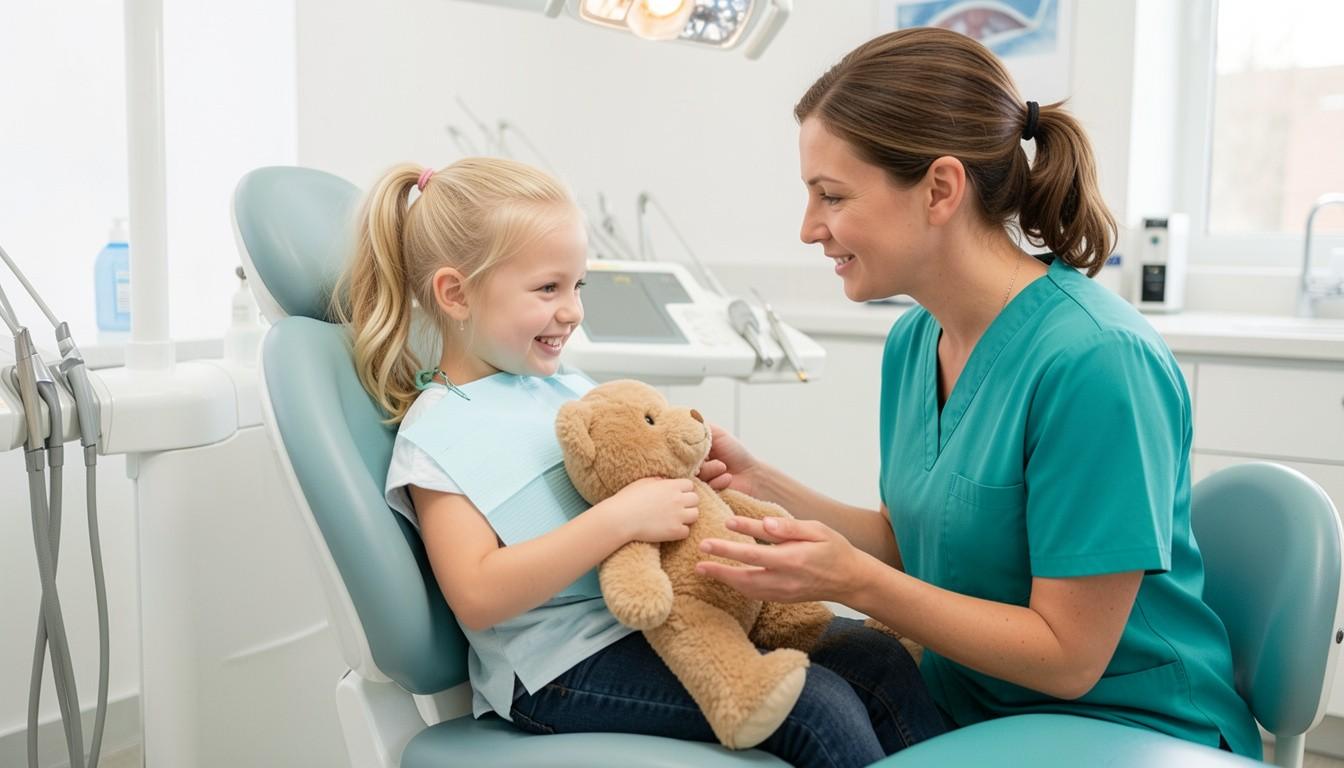
Your five-year-old starts crying the moment you mention tomorrow’s dental check-up, or your toddler clings to your leg the second you walk through the practice door. Dental anxiety affects approximately one in three children globally, making routine dental visits stressful for the whole family. However, with the right approach, you can help your children develop positive associations with dental visits that last a lifetime. For families in Salisbury and surrounding areas, understanding why dental fear develops and learning proven strategies to prevent or overcome it makes all the difference between tears and smiles at check-up time.
Why Children Develop Dental Fear
Fear of the unknown
Children feel anxious about unfamiliar environments, especially ones with strange sights, sounds, and smells they’ve never encountered before. The dental surgery has bright lights, unusual equipment, antiseptic odours, and unfamiliar people wearing masks and gloves. Young children don’t understand what a dental examination involves or why someone needs to look inside their mouth with instruments, which naturally triggers caution and worry.
Parental anxiety transfers to children
Research consistently shows that maternal and paternal dental anxiety increases children’s fear by 1.20 times. Children are incredibly perceptive—they pick up on your nervous energy, hear the tension in your voice when you mention the dentist, and notice if you avoid your own dental appointments. If you’re gripping their hand tightly in the waiting room or showing visible worry, your child absorbs those signals and concludes there must be something to fear.
Previous negative experiences with medical professionals
A bad experience at the doctor’s surgery—receiving vaccinations, having blood drawn, or feeling unwell during an examination—can create anxiety that extends to all healthcare settings, including dental practices. Even if your child has never had a negative dental experience, one difficult medical appointment elsewhere can make them wary of all white-coated professionals.
Stories from siblings, friends, or adults
Children hear playground conversations about painful dental procedures, older siblings complaining about fillings, or well-meaning adults saying things like “I hated going to the dentist when I was your age”. These second-hand stories plant seeds of fear before your child has formed their own opinion based on actual experience.
Developmental stage differences
Younger children aged 4 to 8 experience higher rates of dental anxiety than older children. Preschoolers and early school-age children have more difficulty understanding explanations, struggle with impulse control when asked to sit still, and feel more separation anxiety from parents. Their imagination is also very active, which can amplify small worries into big fears.
Common Dental Fears Children Experience
Separation anxiety from parents
Being asked to leave mum or dad in the waiting room and go into the treatment area with strangers triggers powerful separation anxiety in young children. The dental chair environment feels isolating, and some children panic when they can’t see their parent for reassurance.
Fear of loud noises from dental tools
The high-pitched whine of the drill, the gurgling suction device, and the buzzing of polishing equipment sound alarming to sensitive young ears. These unfamiliar mechanical noises create anxiety even when the tools aren’t being used on the child—just hearing them in the background raises stress levels.
Fear of pain or discomfort
Children worry that examinations and treatments will hurt. Even if you tell them it won’t, they might not believe you because they’ve experienced discomfort during medical check-ups before. The anticipation of pain often causes more distress than the actual procedures.
Worry about being judged or told off
Children who know they haven’t been brushing properly or who’ve been eating lots of sweets fear the dentist will scold them for cavities or poor oral hygiene. This shame and anticipated criticism makes them resistant to dental visits because they expect negative feedback.
Fear of gagging or choking
Having instruments, mirrors, and suction tubes in their mouth triggers gagging reflexes and creates anxiety about choking or not being able to breathe properly. Young children haven’t learned to override these reflexes, making the sensation genuinely uncomfortable.
Loss of control
Lying back in the dental chair with someone hovering over them, working in their mouth whilst they can’t see what’s happening, creates a feeling of helplessness. Children who need to feel in control of their environment find this position particularly distressing.
Start Early: The First Dental Visit
Recommended timing for first visits
The Australian Dental Association recommends scheduling your child’s first dental visit by age one or within six months of their first tooth erupting. This early introduction happens before children develop fears and when their natural curiosity about new experiences peaks. Learn more about when your child should first visit a dentist for specific guidance.
Early visits create familiarity and normalize the environment
Taking your baby or toddler to the dentist before they can form strong opinions creates positive associations from the start. These early visits are brief, gentle, and focus more on letting your child explore the environment than performing extensive examinations. Familiarity breeds comfort, and children who regularly see the dentist from infancy view it as a normal part of life rather than a scary special event.
First appointments focus on gentle examination and education
Your child’s first dental visit typically involves sitting on your lap whilst the dentist quickly counts teeth, checks for cavities, and assesses gum health. The dentist will show you proper brushing and feeding techniques, discuss teething, and answer your questions. These appointments last just 10 to 15 minutes and prioritize making your child comfortable rather than performing complex procedures. If you’re preparing for this milestone, our guide on how to prepare your child for their first dental visit offers practical tips.
Children who start early develop less anxiety
Research shows that children who start dental visits early—before age 1—develop significantly less anxiety than those whose first visit occurs at age 3 or older. Early exposure prevents fear from forming, whilst delayed first visits often happen because of pain or problems, creating negative first impressions that stick.
What Parents Can Do Before the Appointment
Use positive language consistently
Your words matter enormously. Avoid saying “pain,” “hurt,” “needle,” or “drill” when talking about dental visits. Instead, tell your child the dentist will “count and clean” their teeth, “take pictures” with special cameras, or use “water fountains” and “tooth ticklers.” Frame the visit as an adventure or special grown-up activity rather than something to endure.
Read children’s books about positive dental visits
Many excellent children’s books show characters having fun at the dentist, featuring friendly dental professionals and explaining what happens during check-ups. Reading these books regularly in the weeks before appointments normalizes the experience and answers questions in age-appropriate ways. Look for books where characters feel proud of their clean teeth rather than scared of treatment.
Play dentist at home
Turn dental preparation into a game. Let your child “examine” their stuffed animals’ teeth using a toothbrush as an explorer tool, count their teddy’s teeth, and pretend to clean them. Take turns being the dentist and the patient. This play-based learning removes mystery from dental procedures and makes them feel familiar and fun.
Choose a child-friendly dental practice
Not all dental practices are equal for anxious children. Look for practices that specifically welcome families, have experience with children, and create kid-friendly environments. Parabanks Dental provides general dentistry services for patients of all ages, including gentle, patient-centred care for children who feel nervous.
Schedule morning appointments
Children typically feel better rested, more cooperative, and less irritable in the morning compared to late afternoon when they’re tired and hungry. Morning appointments also mean less time for worry to build throughout the day.
Avoid bribes and negative predictions
Don’t promise ice cream or toys for “being brave” because this implies there’s something scary that requires bravery. Similarly, avoid saying “it won’t hurt” because you plant the idea that it might hurt. Instead, keep explanations neutral and factual—”the dentist will check your teeth are growing strong and clean.”
Managing Your Own Dental Anxiety
Children pick up on parental fear
If you’re anxious about dentists, your child will sense it even if you don’t say anything. They notice your tense shoulders, hear the worry in your voice, and observe if you reschedule or avoid your own appointments. Try to keep your anxiety private and project calm confidence in front of your child, even if you don’t feel it inside.
Both parents transmit anxiety equally
Research shows that both mothers and fathers transmit dental anxiety to children at similar rates. This means dads can’t assume their dental fears won’t affect the kids, and mums shouldn’t feel solely responsible if their anxiety transfers. Both parents should consciously model positive attitudes about dental care.
Have the less-anxious parent attend if possible
If one parent has severe dental phobia whilst the other feels neutral or positive about dentists, let the calmer parent take your child to appointments. This simple strategy prevents anxiety transmission whilst maintaining parental support for your child.
Seek treatment for your own dental anxiety
Breaking the intergenerational cycle of dental fear benefits your entire family. If dental anxiety prevents you from seeking care or affects how you talk about dentists around your children, consider addressing it through gradual exposure therapy, counselling, or working with a dentist who specializes in anxious patients.
What Child-Friendly Dental Practices Offer
Welcoming waiting rooms designed for children
Child-friendly practices create waiting areas that look more like playrooms than clinical spaces. You’ll find play areas with toys, activity tables, books, colouring supplies, and dental-themed puzzles that engage children whilst they wait. These spaces signal to children that this is a place designed for them, not just adults.
Kid-sized furniture and equipment
Dental chairs, stools, and even bathroom facilities sized for children feel less intimidating than adult equipment. When children can easily climb into the chair themselves and their feet don’t dangle in the air, they feel more in control and comfortable.
Bright, colorful décor with friendly characters
Practices that welcome children decorate with bright colours, cartoon characters, cheerful murals, and fun ceiling tiles that children can look at whilst lying back in the chair. This visual environment creates a positive, playful atmosphere rather than sterile clinical vibes.
TVs or tablets for distraction during treatment
Many child-friendly practices mount TVs on the ceiling showing children’s programmes or provide tablets with games and videos during treatment. These distractions occupy children’s minds and reduce focus on what the dentist is doing, making procedures feel faster and less stressful.
Staff specially trained in child behaviour management
Dentists and hygienists who work with children receive specific training in communication techniques, behaviour management, and recognizing anxiety signs in different age groups. This specialized knowledge makes a significant difference in how effectively they calm nervous children.
Behaviour Management Techniques Dentists Use
Tell-Show-Do technique
This is the most commonly used and effective technique in paediatric dentistry. The dentist first explains what will happen using simple, child-friendly language (“I’m going to count your teeth with my special mirror”). Then they show the instrument and demonstrate on their own hand or a model. Finally, they perform the actual procedure. This sequence removes surprise and builds understanding and trust.
Positive reinforcement throughout
Dentists working with children constantly praise cooperation and good behaviour throughout appointments. Comments like “you’re doing such a great job sitting still” or “what a wonderful helper you are” encourage children to continue cooperating and make them feel proud of their behaviour.
Distraction techniques
During procedures, dentists might ask about your child’s favourite sport, latest school project, or upcoming birthday whilst working. This conversation keeps their mind occupied on pleasant topics rather than dental work. Some dentists tell stories or sing songs to maintain distraction.
Non-verbal communication and gentle voice
The way dentists speak matters as much as what they say. Child-focused dentists use warm, gentle voice tones rather than deep, authoritative ones. They make friendly eye contact, smile often, and use calm body language that children find reassuring rather than threatening.
Giving children some control
Allowing children small choices and control reduces anxiety significantly. Dentists might let them choose which tooth to examine first, agree on a hand signal they can use if they need a break, or let them hold the suction tube. These small measures of control help children feel less helpless.
Desensitization through gradual exposure
Before using instruments, dentists let children touch and hold them, feel them vibrating, or watch them work on a glove. This hands-on exploration demystifies equipment and shows children that tools aren’t as scary as they imagine. Gradual exposure works much better than surprise.
Should Parents Stay in the Room?
For first visits and very young children, stay nearby
Parental presence provides crucial emotional support for first dental visits and for children under 4 years old. Separation anxiety peaks in this age group, and having mum or dad visible reduces stress significantly. Most dentists welcome parents in the treatment room for very young children.
Sit where your child can see you but let the dentist lead
Position yourself where your child can make eye contact if needed, but avoid hovering over them or inserting yourself between the dentist and child. Let the dentist direct the interaction and examination. Your role is to provide calm, quiet support from the sidelines.
Avoid showing anxious expressions or interrupting
Even if you feel worried, try to maintain a neutral or slightly positive expression. Don’t gasp if the dentist mentions a cavity, grimace in sympathy, or interrupt to ask if procedures will hurt. These reactions increase your child’s anxiety. Trust the dentist to communicate appropriately with your child.
Gradually encourage independence as children mature
As children reach ages 5 to 7 and beyond, consider staying in the waiting room for routine check-ups. This encourages independence, gives children a sense of growing up, and prevents parental anxiety from influencing the appointment. Many children actually cooperate better without parents watching.
The parent in/out technique
Some dentists use a technique where parents step out temporarily if children are uncooperative, then return as a reward when children settle and cooperate. This method works well for stubborn rather than genuinely frightened children, teaching that good behaviour earns parental presence.
Using Rewards Effectively
Positive reinforcement with small rewards
Offering small rewards after successful dental visits encourages repeat cooperation and creates positive associations. These rewards acknowledge your child’s effort and bravery without being bribes promised beforehand. The difference is timing—rewards given after appointments celebrate success rather than bargaining for compliance.
Let children choose their own reward
Research shows children don’t always prefer traditional stickers—some want small toys, whilst others value experiences or privileges more. Offering a selection of reward options and letting your child choose increases motivation and makes the reward feel more personal and meaningful.
Effective reward options
Popular rewards include small toys from the dentist’s treasure box, extra playtime at the park on the way home, choosing what’s for dinner, a family movie night, or extra bedtime stories. For older children, earning points towards bigger rewards like a special outing works well. Experience-based rewards often create better long-term positive associations than material items.
Focus rewards on behaviour, not outcomes
Reward your child for sitting still, opening wide, listening to the dentist, and being cooperative—behaviours they can control. Don’t make rewards contingent on not having cavities, since children can’t always control that outcome despite good efforts with brushing.
Create sticker charts at home
Design a dental care chart where your child earns stickers for brushing morning and night, and extra stickers for dental visits. When they collect a certain number, they earn a bigger reward. This system keeps dental care visible and celebrated between appointments, not just on visit days.
For Children With Severe Anxiety
Nitrous oxide (laughing gas)
For children with moderate to severe anxiety, nitrous oxide provides safe, effective sedation during procedures. Your child inhales the gas through a small nose mask, which creates a relaxed, slightly euphoric feeling whilst keeping them fully conscious and able to respond. The effects wear off within minutes of removing the mask, making it ideal for anxious children who need help relaxing but don’t require deep sedation.
Oral conscious sedation
For longer procedures or children with extreme dental phobia, oral medications given before the appointment create a drowsy, relaxed state. Your child remains conscious but feels very calm and often has limited memory of the procedure afterwards. This option requires careful monitoring and specific protocols but works well for extensive treatment in highly anxious children.
General anaesthesia for extreme cases
Very young children needing extensive work, children with special needs who can’t cooperate despite other interventions, or those with severe dental phobia may require treatment under general anaesthesia. This happens in a hospital or specialized clinic with an anaesthetist present. Whilst it sounds serious, general anaesthesia sometimes provides the safest, most humane option for completing necessary dental work when other approaches fail.
Gradual desensitization programs
Some practices offer programs where severely anxious children visit multiple times for increasingly involved procedures. The first visit might involve just sitting in the chair and looking around. The second might include having the dentist count teeth. Each visit builds trust and familiarity until the child feels comfortable enough for actual treatment.
Collaboration with child psychologists
Children with diagnosed anxiety disorders that extend beyond just dental fear may benefit from working with child psychologists alongside dental treatment. Psychologists can teach coping strategies, relaxation techniques, and cognitive approaches that help children manage anxiety not just at the dentist but in other stressful situations too.
What to Avoid Saying and Doing
Never use dental visits as punishment or threats
Statements like “if you don’t brush, the dentist will have to drill your teeth” or “keep eating lollies and the dentist will be cross” create negative associations with dental care. Dentists become the bad guy enforcing punishment rather than helpers keeping teeth healthy. This dynamic guarantees dental fear.
Avoid sharing your own negative dental experiences
Don’t tell stories about painful procedures you’ve had, dentists you didn’t like, or times you avoided dental care. These stories serve no purpose except planting fear in your child’s mind. Keep your dental history to yourself, especially negative aspects.
Don’t make promises you can’t keep
You can’t truthfully promise that procedures “definitely won’t hurt” because some treatments involve mild discomfort. Making false promises destroys trust when your child discovers you lied. Instead, say honestly that the dentist will be as gentle as possible and will explain everything before it happens.
Never force a terrified child into the dental chair
Physically restraining a screaming, terrified child creates trauma that worsens long-term fear. If your child is completely uncooperative despite your best efforts, discuss alternative approaches with the dentist—sedation, desensitization programs, or breaking treatment into multiple shorter visits. Forced treatment should be an absolute last resort only for emergency situations.
Avoid excessive apologies or showing pity
Constantly saying “I’m sorry you have to do this” or “poor thing, this must be so hard” validates that dental visits are something to fear. These sympathetic statements, whilst well-intentioned, reinforce the idea that your child is enduring something terrible. Instead, maintain a matter-of-fact, positive tone that treats dental visits as normal, manageable events.
Building Long-Term Positive Associations
Regular six-monthly visits create routine and familiarity
Consistent dental appointments every six months normalize the experience and reduce fear of the unknown. Children who visit regularly know what to expect, recognize familiar faces, and view dental check-ups as ordinary parts of life rather than rare, scary events. Routine creates comfort.
Children attending for check-ups develop better attitudes
Research shows children who attend primarily for preventive check-ups rather than only emergency pain visits develop more positive attitudes. Check-ups are quicker, less invasive, and rarely uncomfortable, creating good experiences that build positive associations. Emergency visits for pain inevitably involve more extensive treatment and discomfort, creating negative impressions.
Celebrate dental visits as special occasions
Frame dental appointments as special events worth celebrating. Perhaps you stop for lunch at your child’s favourite café afterwards, visit the library, or plan a fun family activity for dental appointment afternoons. These positive associations help children look forward to dental days rather than dreading them.
Model good oral hygiene at home
Children copy what they see you doing. If you brush your teeth enthusiastically twice daily, floss regularly, and talk positively about keeping your teeth healthy, your children will absorb these attitudes. Frame dental care as self-care you’re proud of rather than a chore you complain about.
Access and Support in Salisbury
Local family dental practices offer child-friendly care
Families in Salisbury and surrounding areas including Paralowie, Salisbury Downs, Parafield Gardens, and Elizabeth have access to dental practices experienced in treating anxious children. Parabanks Dental welcomes families and provides gentle, patient-centred care for children of all ages, with staff who understand how to make nervous children feel comfortable and safe.
Child Dental Benefits Schedule provides financial support
Eligible children aged 2 to 17 can access up to $1,158 in dental benefits over two years through the Child Dental Benefits Schedule (CDBS), covering check-ups, cleans, and preventive care. This government program removes financial barriers to regular dental visits, ensuring children receive the consistent care that builds positive associations. Learn more about using the Child Dental Benefits Schedule and who qualifies.
Early intervention programs through SA Health
South Australian families with health care cards may qualify for free or low-cost preventive dental services through SA Health programs. Early intervention programs specifically target young children, providing check-ups, fluoride treatments, and parent education to establish good oral health habits early.
Flexible appointment times accommodate families
Dental practices serving the Salisbury community understand that families need appointment times that work around school and childcare schedules. Morning appointments before school, after-school times, and even some Saturday appointments help families access care without disrupting routines or causing children to miss school.
The Impact of Untreated Dental Anxiety
Anxious children avoid preventive care
Children with dental fear are 2.10 times more likely to never visit a dentist, leading to untreated decay and eventually painful dental emergencies. Avoidance creates a vicious cycle—missed preventive care leads to problems that require treatment, and treatment visits for existing problems are more uncomfortable than simple check-ups, reinforcing fear.
Emergency visits reinforce negative associations
Anxious children visit 1.89 times more often for curative (emergency) care rather than preventive care. Emergency visits happen because of pain, involve more extensive procedures, and create the uncomfortable experiences that confirm children’s fears. Regular preventive visits would prevent most emergencies and provide far more pleasant dental experiences.
Childhood dental anxiety persists into adulthood
Dental fear that develops in childhood frequently continues throughout life, affecting oral health for decades. Adults with dental phobia often have worse oral health, more missing teeth, and lower quality of life related to dental problems. Breaking the cycle of fear in childhood prevents a lifetime of dental anxiety and its consequences.
Half of severe dental fear originates in childhood
About 50% of people with severe dental fear developed it during childhood experiences, making early intervention critical. The formative years shape attitudes and fears that persist. Positive childhood dental experiences create adults who seek care confidently, whilst negative experiences create adults who avoid dentists until emergencies force them to seek help.
When to Transition from Paediatric to General Dentistry
Most transitions happen between ages 12–18
Children typically transition from paediatric-focused care to general dentistry somewhere between ages 12 and 18, though the exact timing varies by individual. There’s no hard rule about when the switch must happen, giving families flexibility to choose the right time for their child.
Transition when permanent teeth have erupted
By ages 12 to 14, all permanent teeth except wisdom teeth have usually erupted. This milestone often coincides with the transition to general dentistry because the dental work shifts from monitoring development to maintaining mature teeth. However, orthodontic considerations might delay the transition if your child wears braces.
Let your child’s comfort level guide the decision
Some teenagers prefer staying with familiar paediatric dentists longer if they feel comfortable there. Others express desire for more “grown-up” dental care and feel ready for general dentistry earlier. Listen to your child’s preferences and discuss the transition together rather than imposing an arbitrary age-based switch.
Gradual transitions work well
You don’t have to switch completely overnight. Some families arrange a check-up with the new general dentist whilst still seeing the paediatric dentist, giving children a chance to meet the new provider and experience the adult practice environment before fully transitioning. This gradual approach reduces anxiety about change.
Signs Your Approach Is Working
Your child talks positively about the dentist
When your child mentions the dentist voluntarily in positive ways—talking about their favourite hygienist, asking questions about teeth between visits, or telling friends about their clean teeth—you know fear isn’t dominating their thoughts. Positive unprompted mentions indicate genuine comfort.
Cooperation during appointments without tears or tantrums
The clearest sign of success is appointments that proceed smoothly without crying, refusal, or needing physical restraint. Your child might not love dental visits, but they cooperate willingly, sit in the chair, open their mouth when asked, and get through the appointment calmly.
Willingness to sit independently
When your child happily goes into the treatment room without you, sits in the dental chair alone, and engages directly with the dentist without constantly looking to you for reassurance, they’ve developed confidence and trust in the dental environment.
Understanding and explaining oral hygiene concepts
Children who absorb what the dentist teaches them—explaining why they need to brush twice daily, showing younger siblings how to floss, or talking about foods that help teeth stay strong—demonstrate engagement rather than fear-driven avoidance. They’re processing dental information positively.
Reduced anxiety with each visit
Perhaps the most important sign is the trend line. Each successive visit should produce equal or less anxiety than the previous one. If fear decreases or stays low across multiple visits, your strategies are working even if your child doesn’t skip into the dental surgery singing.
Helping your child develop a positive relationship with dental care is one of the most valuable gifts you can give them. The attitudes and associations they form now will influence their oral health and dental behaviours for the rest of their lives. For families in Salisbury and throughout northern Adelaide, Parabanks Dental provides compassionate, patient-centred dental care for children of all ages, from their very first tooth through their teenage years. We understand that every child is different, and we take the time to build trust and create comfortable experiences that set children up for a lifetime of healthy smiles. If you’d like to learn more about our approach to children’s dentistry or book your child’s first appointment, contact Parabanks Dental today.