
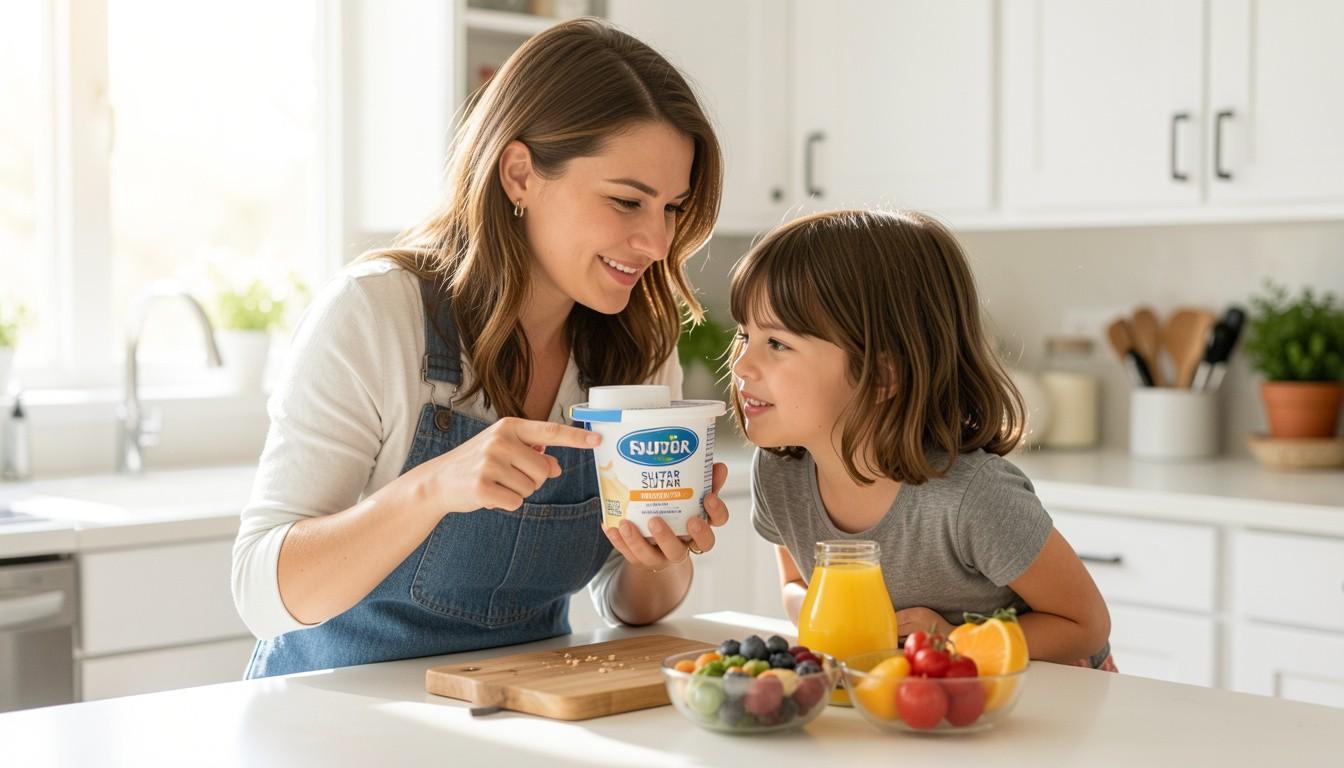
You pack what you think is a healthy lunchbox—yogurt, fruit juice, a granola bar, and dried fruit—only to discover at your child’s next dental check-up that cavities have developed despite your efforts. Tooth decay affects approximately one in four Australian children aged 5 to 10, with diet playing a central role in this preventable problem. For families in Salisbury, Paralowie, Parafield Gardens, and surrounding areas, understanding which foods damage teeth and why helps you make better choices to protect your children’s smiles. Many foods marketed as healthy options actually pose significant risks to developing teeth, and knowing the difference can save your child from painful cavities and expensive dental treatment.
How Food Damages Children’s Teeth
The sugar-bacteria-acid cycle that erodes enamel
When your child eats sugar, harmful bacteria in their mouth feed on it and produce acid as a waste product. This acid attacks tooth enamel, dissolving minerals and creating weak spots that eventually become cavities. The process starts within minutes of eating and continues for 20 to 30 minutes after each snack or meal. Over time, repeated acid attacks break down enamel faster than saliva can repair it, creating permanent damage.
Why children’s enamel is more vulnerable than adults’
Children’s teeth have thinner enamel than adult teeth, making them more susceptible to acid damage. Baby teeth are particularly vulnerable because their enamel layer is about half the thickness of permanent teeth. Additionally, newly erupted permanent teeth in children aged 6 to 12 haven’t fully mineralized yet, leaving them softer and more prone to decay during the first few years after eruption.
The difference between cavities and erosion
Cavities form when bacteria produce acid that creates holes in teeth, whilst erosion happens when dietary acids directly wear away enamel. Both damage teeth but through different mechanisms. Cavities typically develop in pits, grooves, and between teeth where bacteria accumulate, whilst erosion affects the smooth surfaces of teeth, often causing them to look worn, yellow, or translucent at the edges.
How frequency matters more than quantity
Eating a large piece of cake once produces one 20 to 30 minute acid attack on teeth. However, grazing on small amounts of food throughout the day creates continuous acid production, never giving teeth a chance to recover. Three lollies eaten at once cause less damage than three lollies eaten separately over three hours. The number of times per day your child’s teeth encounter sugar or acid determines decay risk more than the total amount consumed.
The Worst Offenders: Sugary Foods and Drinks
Lollies, chocolates, and sweets
All forms of sugar feed the bacteria that cause tooth decay. Lollies, chocolates, and sweets provide concentrated doses of sugar that bacteria feast on, producing intense acid attacks. Hard candies that dissolve slowly in the mouth create extended exposure, whilst chocolates at least wash away relatively quickly with saliva.
Sticky and chewy candies
Gummy bears, fruit roll-ups, caramels, taffy, and chewy lollies are particularly damaging because they stick to tooth surfaces and lodge in grooves. These sticky foods cling to teeth for hours, providing a sustained sugar source for bacteria long after your child finishes eating. The prolonged contact time significantly increases decay risk compared to foods that wash away quickly.
Soft drinks and sodas
Soft drinks deliver a double threat—high sugar content plus phosphoric and citric acids that directly erode enamel. A single can of cola contains about 10 teaspoons of sugar and has a pH around 2.5, making it extremely acidic. Regular soft drink consumption is one of the strongest predictors of childhood tooth decay.
Sports drinks marketed as healthy
Despite marketing that suggests sports drinks are healthy choices for active kids, they contain as much sugar as soft drinks plus erosive acids. Unless your child is engaged in intense exercise lasting over an hour, water provides better hydration without the dental damage. Sports drinks are designed for elite athletes, not children playing casual weekend sport.
Fruit juice
Even 100% fruit juice concentrates natural sugars and acids without the protective fibre of whole fruit. Apple juice, orange juice, and tropical fruit blends all bathe teeth in sugar and acid. A glass of apple juice contains roughly the same amount of sugar as a glass of soft drink, and similar acidity levels that erode enamel.
Hidden Sugar Culprits Parents Often Miss
Flavoured yogurts
Many flavoured yogurts marketed to children contain as much sugar as candy bars despite their healthy reputation. Strawberry, vanilla, and fruit-on-the-bottom varieties often pack 15 to 20 grams of sugar per serve—equivalent to 4 to 5 teaspoons. Plain yogurt naturally contains some sugar from lactose, but the added sugars in flavoured varieties create significantly higher decay risk.
Breakfast cereals
Children’s breakfast cereals are notorious sugar bombs. Many popular brands contain more sugar than biscuits, with some varieties reaching 40% sugar by weight. The combination of sticky texture and high sugar content makes them particularly problematic, especially when children eat them as dry snacks throughout the day.
Granola bars and “healthy” snack bars
Products marketed as nutritious snacks for lunchboxes often contain shocking amounts of sugar and feature sticky textures that cling to teeth. Muesli bars, protein bars, and fruit bars frequently pack 10 to 15 grams of sugar per bar and use sticky binding ingredients like honey, corn syrup, and concentrated fruit juice that adhere to tooth surfaces.
Dried fruits
Raisins, apricots, mango, and other dried fruits stick to teeth and concentrate natural sugars into dense packages. Whilst whole fresh fruit comes with water content and fibre that make it less problematic, the drying process removes water and creates a sticky, sugar-dense food that clings to grooves and between teeth. Two tablespoons of raisins contain roughly the same sugar as a chocolate bar.
Condiments and sauces
Ketchup, BBQ sauce, sweet chilli sauce, and similar condiments add hidden sugars to otherwise healthy meals. Children who drown their food in sauce can consume several teaspoons of sugar at each meal without realizing it. These sugary condiments turn nutritious grilled chicken or vegetables into sugar-delivery systems.
Starchy Foods That Convert to Sugar
White bread, crackers, and chips
Refined carbohydrates in white bread, crackers, and potato chips break down into sugars when mixed with saliva. Enzymes in saliva start converting starches to sugars within seconds, and these soft, sticky foods lodge between teeth and in grooves. Whilst not as immediately damaging as lollies, frequent consumption of refined starches contributes significantly to decay risk.
Pretzels, goldfish crackers, and similar snacks
Parents often choose these snacks as “better” alternatives to sweets, but they still pose considerable decay risk. These refined grain products stick to teeth, convert to sugars in the mouth, and provide fuel for bacteria. Additionally, children often eat them continuously throughout the day, creating the constant acid exposure that causes cavities.
Pasta, white rice, and refined grains
Cooked pasta and white rice become soft and sticky, getting trapped between teeth where bacteria convert them to decay-causing acids. These staple foods aren’t inherently terrible for teeth, but problems arise when children don’t brush properly after meals and food residue remains stuck overnight.
Why whole grain alternatives are better
Whole grain bread, brown rice, and whole wheat pasta contain more fibre and break down more slowly than refined versions. However, they still require proper oral hygiene because any carbohydrate can contribute to decay. The advantage lies in their nutritional benefits and slightly lower decay potential rather than being completely tooth-safe.
Acidic Foods That Erode Enamel
Citrus fruits and their juices
Oranges, lemons, grapefruits, and their juices are highly acidic despite their nutritional benefits. The citric acid in these fruits directly erodes enamel on contact. Orange juice typically has a pH around 3.5 to 4, well below the critical pH of 5.5 where enamel demineralization begins. Fresh whole citrus fruit causes less damage than juice because you eat less volume and the fibre provides some protection.
Sour candies
Sour lollies have extremely high acidity levels that quickly damage enamel. The sour taste comes from added acids like citric acid, malic acid, and tartaric acid. Some sour candies measure pH levels as low as 2, making them more acidic than vinegar. The combination of intense acidity plus sugar creates a perfect storm for tooth destruction.
Carbonated drinks including diet varieties
Even diet sodas and flavoured sparkling water erode teeth despite containing no sugar. The carbonation process creates carbonic acid, and most flavoured varieties add citric acid for taste. Sugar-free doesn’t mean tooth-safe when acid is present. Research shows diet soft drinks cause similar erosion to regular varieties.
Vinegar-based foods
Pickles, salt and vinegar chips, and certain salad dressings contain acetic acid from vinegar. Whilst these foods aren’t typically consumed in large quantities by children, regular exposure still contributes to enamel erosion over time.
How acid softens enamel
Acid softens the enamel surface, making it vulnerable to wear, chipping, and abrasion. This softening happens almost immediately upon contact with acidic foods or drinks. Enamel in this weakened state can be damaged by toothbrushing, which is why dentists recommend waiting 30 to 60 minutes after consuming acidic foods before brushing.
The Danger of Constant Snacking and Grazing
Why frequency of eating matters more than amount
Each time your child eats, bacteria in their mouth produce acid for 20 to 30 minutes. One snack creates one acid attack. Six snacks create six acid attacks. More frequent eating means teeth spend more total time under acid assault, with less recovery time between attacks. This constant bombardment prevents the natural remineralization process that repairs early damage.
Grazing keeps the mouth in constant acidic state
When children have continuous access to food—nibbling from a snack cup in the pram, carrying a lunchbox around the house, or repeatedly opening the pantry—their mouth never returns to neutral pH. Saliva can’t complete its protective job of washing away sugars and neutralizing acids because the next bite arrives before recovery finishes. This constant acidic environment accelerates tooth decay dramatically.
Sippy cups and bottles sipped throughout the day
Sippy cups and bottles filled with juice, cordial, or even milk that children sip throughout the day cause severe, rapid decay. The liquid continuously bathes teeth in sugar and acid, creating what dentists call “baby bottle tooth decay” or “nursing caries.” Front teeth typically suffer the worst damage, sometimes requiring extraction even in toddlers.
Ideal snacking pattern
Aim for 2 to 3 structured snack times per day rather than continuous grazing. Scheduled snacks at morning tea, afternoon tea, and possibly supper create defined eating periods with substantial breaks between them. This pattern allows teeth adequate recovery time whilst still providing the nutrition growing children need.
Allowing recovery time between eating occasions
Saliva needs 2 to 3 hours between eating occasions to neutralize acids and repair early enamel damage through remineralization. During these break periods, minerals in saliva redeposit into enamel, reversing early decay. This natural protective mechanism only works if you give it time to operate.
Beverages: The Biggest Problem Area
Updated 2026 guidelines from American Academy of Pediatrics
Current recommendations state no fruit juice for children under age 1, and maximum 4 to 6 ounces daily for children aged 1 to 7. These stricter guidelines reflect growing evidence about juice’s contribution to childhood obesity and tooth decay. Even “healthy” 100% fruit juice should be limited because it concentrates sugars and removes beneficial fibre.
Water should be the primary beverage
Australian health authorities recommend tap water as the main drink throughout the day for children. Water hydrates without providing sugar for bacteria or acid to erode enamel. In Australian communities with fluoridated water supplies, tap water also delivers topical fluoride that strengthens enamel and prevents decay.
Plain milk as the only other recommended daily drink
Plain milk provides calcium, phosphorus, protein, and vitamin D that support strong teeth and bones. Unlike juice or flavoured milk, plain milk doesn’t significantly promote decay when consumed during meals. However, bedtime bottles of milk still cause problems because sugar-laden liquid pools around teeth overnight whilst saliva production decreases during sleep.
How sugary beverages are the leading cause of preventable decay
Sugary beverages are the number one preventable cause of childhood tooth decay in Australia. Children who frequently consume sugar-sweetened drinks have significantly higher cavity rates than those who drink primarily water and plain milk. The liquid form allows sugar to reach every tooth surface easily, and sipping extends exposure time.
The “double threat” of sugar plus acid
Most flavoured drinks combine sugar with acids, creating simultaneous decay and erosion. Soft drinks, sports drinks, energy drinks, flavoured waters, cordials, and fruit juices all deliver this destructive combination. The acid erodes enamel whilst sugar feeds bacteria to produce even more acid.
pH levels below 5.5 damage teeth
Enamel begins demineralizing when mouth pH drops below 5.5. Most fruit juices, cordials, soft drinks, and sports drinks have pH levels between 2.5 and 4.5—well into the danger zone. Even brief exposure to these highly acidic beverages causes enamel softening and mineral loss.
Healthier Alternatives That Protect Teeth
Cheese
Cheese is exceptionally tooth-friendly because it raises mouth pH, increases protective saliva production, and contains casein proteins that strengthen enamel. The calcium and phosphorus in cheese help remineralize teeth. Studies show that eating a small piece of hard cheese after meals neutralizes acid and reduces decay risk.
Plain yogurt
Unsweetened natural yogurt or Greek yogurt provides calcium, phosphorus, and beneficial probiotics without added sugars. The probiotics may help reduce harmful bacteria in the mouth. Choose plain varieties and add fresh fruit yourself if your children prefer sweetness, avoiding the excessive sugars in pre-sweetened varieties.
Crunchy vegetables
Carrots, celery, cucumber, and capsicum scrub teeth whilst children chew them and stimulate saliva production. The mechanical action helps remove food debris and plaque, whilst increased saliva washes away sugars and neutralizes acids. Raw vegetables make excellent between-meal snacks that actually benefit teeth.
Fresh whole fruits instead of juice
Whole apples, pears, strawberries, and other fruits contain fibre that slows sugar absorption and requires chewing that stimulates saliva. The water content dilutes natural sugars, and eating whole fruit takes longer than drinking juice, reducing overall sugar exposure. Fresh fruit still contains sugar, so it’s best consumed with meals rather than as constant snacks.
Nuts and seeds
Almonds, cashews, sunflower seeds, and similar foods are high in protein and phosphorus that help remineralize teeth. They require significant chewing that generates protective saliva and provide sustained energy without sugar spikes. For children over 5 who can safely eat nuts, they make excellent tooth-friendly snacks.
Eggs
Eggs pack phosphorus and vitamin D that support strong enamel formation. Hard-boiled eggs make convenient portable snacks for school lunchboxes. The protein helps children feel satisfied longer, reducing the urge for constant snacking.
Plain water, especially fluoridated tap water
Fluoridated tap water available in most Australian communities delivers dual benefits—hydration without sugar or acid, plus topical fluoride that strengthens enamel and prevents decay. Making water the default beverage at home is one of the simplest, most effective changes you can make for your children’s dental health.
Timing and Context Matter
Eating treats with meals reduces damage
Consuming sweets or acidic foods with meals rather than as standalone snacks significantly reduces damage. Saliva production peaks during meals, providing better acid neutralization and sugar clearance. The other foods in the meal also help buffer acids and dilute sugars, lessening their impact on teeth.
Drinking acidic beverages through straws
Positioning a straw towards the back of the mouth minimizes contact between acidic drinks and tooth surfaces. This technique works particularly well for occasional treats like smoothies or milkshakes. However, straws don’t make harmful drinks safe—they just reduce direct exposure.
Rinsing with water immediately after sugary or acidic foods
Teaching children to swish and swallow plain water after snacks helps neutralize acids and wash away sugars. This simple habit provides significant protection when brushing isn’t immediately possible, such as after school snacks or treats whilst out. Water rinses work particularly well after acidic foods like citrus fruit or sour lollies.
Wait 30-60 minutes after acidic foods to brush
Acid softens enamel temporarily, and brushing during this vulnerable period can damage the softened surface. After consuming acidic foods or drinks, wait at least 30 to 60 minutes before brushing. During this waiting period, saliva gradually rehards the enamel. Rinsing with water immediately, then brushing later, provides optimal protection.
Ending meals with cheese or milk
Finishing meals with a small piece of cheese or a glass of milk helps neutralize acids and raise mouth pH. This old-fashioned practice has strong scientific support—the calcium, phosphorus, and proteins in dairy products provide protective benefits that reduce decay risk.
Reading Labels and Making Smarter Choices
Recognizing sugar’s many names
Manufacturers list sugar under numerous names on ingredient labels—glucose, fructose, corn syrup, sucrose, dextrose, maltose, rice syrup, agave nectar, honey, and concentrated fruit juice all count as sugar. Learning to recognize these terms helps you identify hidden sugars in seemingly healthy products. Ingredients are listed in descending order by weight, so if sugar appears in the first three ingredients, the product is sugar-heavy.
“No added sugar” doesn’t mean tooth-safe
Natural sugars in fruit juice, dried fruit, and milk still cause decay even though manufacturers didn’t add extra sugar. Bacteria don’t distinguish between added and natural sugars—all fermentable carbohydrates fuel acid production. Products labelled “no added sugar” may still contain concentrated natural sugars that pose significant decay risk.
“Healthy” marketing doesn’t guarantee dental safety
Many organic, natural, or wholefood snacks marketed as healthy contain high levels of sugar or acids. Organic fruit leathers, natural energy balls, and wholefood bars often feature concentrated fruit, honey, dates, and other ingredients that damage teeth despite their nutritional halo. Always check actual sugar content rather than trusting marketing claims.
Understanding nutrition label sugar content
Nutrition labels list total sugars in grams per serving. Four grams of sugar equals approximately one teaspoon. A snack with 20 grams of sugar contains about 5 teaspoons—more than children should consume in an entire day. Compare serving sizes too, as manufacturers sometimes use unrealistically small servings to make sugar content appear lower.
Practical Tips for Salisbury Families
Pack tooth-friendly school lunches
Build lunchboxes around cheese, cut vegetables, whole fruits, plain crackers, sandwiches on whole grain bread, hard-boiled eggs, nuts (if school allows), and water bottles. Skip juice boxes, fruit straps, muesli bars, and packaged sweet snacks. Children might initially resist unfamiliar lunch contents, but consistency and involving them in lunch preparation helps with acceptance.
Establish structured meal and snack times
Create a daily rhythm with three meals and two or three scheduled snacks rather than allowing constant grazing. Children adapt quickly to routines and learn to eat sufficient amounts during designated times. This structure benefits both dental health and overall nutrition by encouraging proper hunger and satiety cues.
Replace juice and soft drinks with water
Make water the automatic drink at home. Keep a jug in the fridge, provide fun water bottles, and model drinking water yourself. Reserve juice, cordial, and soft drinks for rare special occasions rather than daily consumption. Most children who grow up drinking primarily water don’t miss sugary drinks.
Offer treats strategically
When you do serve treats, offer them with meals rather than between meals. Less frequent treat consumption—perhaps once or twice weekly rather than daily—significantly reduces decay risk. Making treats occasional rather than expected helps children appreciate them more whilst protecting their teeth.
Teach children to drink water after snacks
Develop the habit of following snacks with water when brushing isn’t possible. Children at school, sporting activities, or visiting friends can easily drink water after eating to rinse away sugars and neutralize acids. This simple practice provides meaningful protection throughout the day.
Stock the pantry with dental-friendly options
Keep cheese portions, cut vegetables in the fridge, whole fruits on the counter, plain crackers, popcorn, and nuts readily available. When healthy options are convenient and visible whilst less healthy choices require more effort, children naturally choose better snacks. Environment shapes behavior more than willpower.
The Reality of Childhood Tooth Decay in Australia
High rates of untreated decay in young children
Approximately 34% of Australian children aged 5 to 6 and 27% aged 5 to 10 have untreated tooth decay in baby teeth. These statistics reveal that tooth decay remains widespread despite being largely preventable through diet and oral hygiene. Baby tooth decay matters because damaged baby teeth can affect permanent teeth development and cause pain that interferes with eating, sleeping, and learning.
Hospitalizations for preventable dental issues
Eleven in every 1,000 children aged 5 to 9 were hospitalized for preventable dental issues in 2021-22. These hospitalizations typically involve general anaesthesia for multiple extractions or extensive restorative work. The procedures are expensive, traumatic for children, and entirely avoidable with proper diet and dental care.
High sugar consumption drives the problem
High sugar consumption is the leading preventable cause of childhood cavities. Australian children consume far more sugar than recommended guidelines, with much of it coming from beverages and packaged snacks. Reducing sugar intake addresses the root cause of most childhood tooth decay.
Sugar-sweetened beverages and cavity rates
Children who frequently consume sugar-sweetened beverages have significantly higher cavity rates than those who drink primarily water and plain milk. Research shows a clear dose-response relationship—more frequent beverage consumption equals more cavities. Simply eliminating or dramatically reducing sugary drinks prevents many cavities.
Queensland decay statistics
Fifty-five percent of Queensland children aged 5 to 14 experienced tooth decay, with 24% having decay in four or more teeth. These numbers demonstrate that decay affects most children to some degree, highlighting the importance of preventive dietary strategies for all families.
Child Dental Benefits Schedule Support
Benefits for eligible children
Eligible children aged 2 to 17 receive up to $1,158 in dental benefits over two years for preventive and restorative care. This government program covers check-ups, cleans, fillings, and preventive treatments that help catch diet-related decay early before it requires extensive intervention. Learn more about eligibility for the Child Dental Benefits Schedule.
Services covered by CDBS
The schedule covers examinations, X-rays, cleaning, fissure sealing, fluoride treatments, fillings, root canal treatment, and extractions. These services address both prevention and treatment of diet-related decay. Families can use the CDBS at Parabanks Dental for comprehensive children’s dental care.
Many eligible children miss out on benefits
Only one-third of eligible children used their CDBS benefits between 2018 and 2021, missing opportunities for free preventive care. Regular dental check-ups help identify dietary issues early, provide professional fluoride treatments that strengthen enamel, and allow dentists to give families personalized nutrition advice for protecting teeth.
Regular check-ups provide personalized guidance
During dental visits, dentists examine the specific decay patterns in your child’s mouth and can often identify which dietary factors are causing problems. This personalized feedback helps you make targeted changes rather than guessing which foods might be issues for your particular child.
Building Healthy Habits That Last
Starting good dietary habits early
Establishing healthy eating and drinking patterns from first teeth onwards prevents problematic habits from forming. Babies who grow up drinking water, eating whole foods, and having structured meal times develop preferences for these patterns. Early habits shape lifelong behaviors.
Modelling healthy choices
Children copy what parents eat and drink more than they follow what parents say. If you drink water, eat vegetables, and avoid constant snacking, your children will likely adopt similar patterns. Model the behaviors you want to see rather than operating under “do as I say, not as I do” rules.
Making treats occasional special events
Reframe treats as occasional celebrations rather than daily expectations. Birthday parties, holidays, family celebrations, and special outings can include treats without establishing them as routine parts of everyday life. This approach helps children appreciate treats whilst protecting their teeth and overall health.
Teaching children about food and teeth
Explain in age-appropriate ways how food affects teeth. Young children understand simple concepts like “sugar makes holes in teeth” whilst older children can grasp more sophisticated explanations about bacteria, acid, and enamel. Knowledge helps children make better choices when parents aren’t supervising.
Celebrating non-food rewards
Develop family cultures around non-food rewards and celebrations. Special activities, extra playtime, choosing a family movie, trips to the park, and similar experiences create positive associations without sugar. Breaking the automatic connection between rewards and food benefits both dental and overall health.
What to Do If Damage Has Already Occurred
Schedule a dental check-up
If you suspect your child has cavities or if it’s been longer than six months since their last visit, book a check-up promptly. Early detection allows simpler, less invasive, and less expensive treatment. Waiting until pain develops typically means more extensive decay requiring complex procedures. Parabanks Dental provides comprehensive general dentistry services for children and families throughout Salisbury and surrounding areas.
Implement dietary changes immediately
Even if damage has occurred, changing diet now prevents further decay and protects other teeth. Every improvement matters—cutting out soft drinks, limiting juice, reducing snacking frequency, and choosing tooth-friendly foods all help, even if you can’t make every change at once. Progress, not perfection, is the goal.
Professional fluoride treatments
Dentists can apply concentrated fluoride varnish to strengthen weakened enamel and help reverse very early decay. These treatments take just minutes and provide significantly more fluoride than home toothpaste. Children at high decay risk benefit from fluoride applications every three to six months.
Fissure sealants protect vulnerable molars
Fissure sealants are protective plastic coatings painted into the deep grooves of back teeth where decay often starts. They physically seal out food and bacteria, dramatically reducing decay risk in these vulnerable areas. Sealants work particularly well for children with high decay risk or those who struggle with thorough brushing.
Work with your dentist on prevention plans
Your dentist can create a specific prevention plan based on your child’s individual decay risk, dietary patterns, and family circumstances. This might include more frequent check-ups, specific dietary recommendations, enhanced fluoride exposure, sealants, or other targeted interventions. Personalized plans work better than generic advice.
Protecting your children’s teeth from dietary damage doesn’t require perfection—small, consistent changes make meaningful differences. Understanding which foods pose the greatest risks helps you make informed choices that balance nutrition, enjoyment, and dental health. For families in Salisbury, Paralowie, Parafield Gardens, and surrounding northern Adelaide areas, Parabanks Dental provides comprehensive dental care for children of all ages, including preventive treatments, dietary counselling, and early intervention for diet-related decay. We understand that every family faces different challenges and circumstances, and we work with you to develop practical strategies that fit your lifestyle whilst protecting your children’s smiles. To learn more about our approach to children’s dental health or to book a check-up, contact Parabanks Dental today.