
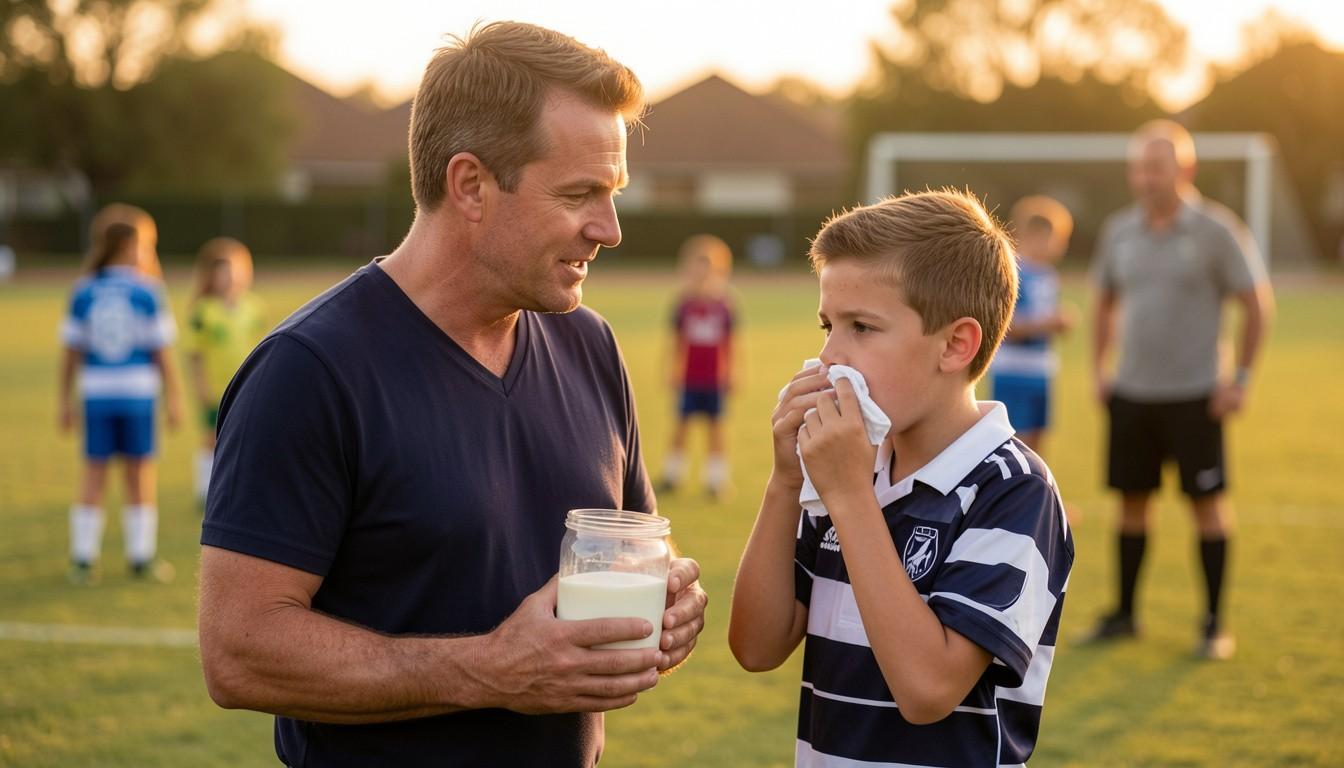
You’re watching your child play footy on a Saturday morning, and suddenly they collide with another player and fall to the ground holding their mouth. When they stand up, you see blood—and a tooth in their hand. A knocked-out tooth is one of the most frightening dental emergencies you can face, but knowing exactly what to do in those first critical minutes can mean the difference between saving the tooth and losing it permanently. For families in Salisbury, Paralowie, Parafield Gardens, and surrounding northern Adelaide areas, understanding the proper steps before reaching emergency dental care gives your child or family member the best chance of keeping their natural tooth.
Why Every Second Counts
The 30-minute window and cell survival on the tooth root
The cells on the root surface of a knocked-out tooth begin dying within minutes of being exposed to air. These cells, called periodontal ligament fibres, are essential because they help the tooth reattach to the jawbone once it’s placed back in the socket. Dentists consider the first 30 minutes after a tooth is knocked out as the golden window for successful reimplantation. If you can get the tooth back in the socket or properly stored and reach a dentist within this timeframe, you dramatically increase the chances of the tooth surviving long-term.
How quickly cells on the periodontal ligament die when exposed to air or stored incorrectly
When a tooth sits exposed to air, the delicate periodontal ligament cells dry out and die rapidly. After just 15 minutes in open air, significant cell death occurs. By 60 minutes, most of these vital cells are dead, which severely reduces the success rate of reimplantation. Storage in the wrong medium—like tap water, tissue paper, or a dry container—also kills these cells because tap water causes them to swell and burst. That’s why proper storage is just as critical as speed.
Success rates for reimplantation based on time and storage method
Studies show that teeth reimplanted within 5 minutes have success rates above 90%, whilst those reimplanted after 60 minutes drop to below 50%. The storage method matters enormously too. Teeth stored in milk or saliva have significantly better outcomes than those stored in water or left to dry. Even if you’re beyond the 30-minute window, proper handling and storage can still give the tooth a fighting chance, so never assume it’s too late.
Immediate Steps: What to Do Right Now
Stay calm and locate the tooth quickly
The moments after someone knocks out a tooth are chaotic and stressful, but staying calm helps you think clearly and act fast. Take a deep breath, then immediately look for the tooth. Check the ground around where the accident happened, look in the person’s clothing, and gently check inside their mouth to make sure the tooth hasn’t lodged in the gum or cheek. Time matters, so search quickly but thoroughly.
Pick up the tooth by the crown only, never touch the root surface
When you find the tooth, pick it up carefully by the white crown part—the portion you normally see when the tooth is in the mouth. Never touch the root, which is the yellowish part that was inside the gum. The root surface has those critical periodontal ligament cells we talked about, and touching, rubbing, or scraping them damages these delicate structures and reduces the chance of successful reattachment.
Check if it’s an adult (permanent) tooth or baby tooth
This step determines everything that happens next. Baby teeth are smaller, whiter, and shorter than permanent teeth. If you’re not sure, consider the child’s age—children typically start losing baby teeth around age 6 and finish around age 12. Adult teeth should always be reimplanted or stored for reimplantation. Baby teeth should never be put back in because doing so can damage the developing permanent tooth underneath the gum.
How to Clean a Knocked-Out Tooth Safely
Rinse gently with milk, saline, or briefly with clean water if the tooth appears dirty
If the tooth has visible dirt, grass, or debris on it, you need to rinse it—but carefully. The best rinsing liquid is milk, followed by saline solution (contact lens solution or wound wash). If neither is available, use clean tap water, but limit contact to just a few seconds. Hold the tooth by the crown and let the liquid flow over it gently. Don’t let the tooth sit in tap water.
Do not scrub, brush, or use soap, alcohol, or tap water for extended rinsing
This is where many people make a fatal mistake. The instinct is to clean the tooth thoroughly, but scrubbing with your fingers, using a toothbrush, applying soap, or soaking it in alcohol destroys the periodontal ligament cells. Even extended rinsing under running tap water damages these cells. A quick rinse to remove obvious dirt is all you need—the dentist will handle proper cleaning with the right solutions.
Keep handling to an absolute minimum
Every time you touch the tooth, you risk damaging the root surface. Once you’ve given it a quick rinse if needed, your goal is to get it into the socket or into proper storage as fast as possible. Minimal handling equals maximum cell survival.
Can You Put the Tooth Back In?
For adults and older children who are calm and conscious, attempt gentle reinsertion
If the person is calm, conscious, and old enough to understand not to swallow the tooth, you can try putting it back in the socket yourself. Hold the tooth by the crown and line it up with the socket, using the neighbouring teeth as a guide for the correct position. Gently push the tooth into the socket with steady, light pressure. It should slide in relatively easily—if you meet strong resistance, don’t force it.
Bite gently on clean gauze or a soft cloth to hold the tooth in place during transport
Once the tooth is back in the socket, have the person bite down gently on a clean piece of gauze, a handkerchief, or a soft cloth to hold it steady. This keeps the tooth in position whilst you travel to the dentist. The person should keep gentle, constant pressure on the gauze but avoid chewing or moving the tooth around.
When not to attempt reinsertion
Don’t try to put the tooth back in if the person is very young (under about 7 years old), unconscious, confused, or if they’ve had a serious head injury or facial trauma that needs medical assessment first. Similarly, if the tooth is heavily contaminated with dirt or gravel, if you’re unsure whether you’ve found the right socket, or if the person is uncooperative or panicking, it’s safer to store the tooth properly and let the dentist handle reimplantation.
Best Ways to Store a Knocked-Out Tooth
Option 1: Place in a small container of cold milk (UHT or fresh)
Milk is the best readily available storage medium for a knocked-out tooth. Pour cold milk into a small container—even a clean takeaway coffee cup or water bottle cap works—and place the tooth in the milk. Research from the University of Queensland found that UHT milk is particularly effective because it’s sterile and has the right balance of nutrients and pH to keep periodontal cells alive for several hours. Fresh milk works too. This buys you valuable time to reach a dentist.
Option 2: Store in the person’s saliva (spit into a container) or hold between the lower lip and gum
If you don’t have access to milk, the next best option is the person’s own saliva. Have them spit into a small container and place the tooth in it. Alternatively, if the person is mature enough and fully conscious, they can hold the tooth between their lower lip and gum, or in the cheek pouch, keeping it bathed in saliva during transport to the dentist. This method isn’t suitable for young children who might swallow or choke on the tooth.
Option 3: Use an emergency tooth preservation kit like Save-A-Tooth if available
Some schools, sports clubs, and first aid kits stock specialised tooth preservation systems such as Save-A-Tooth. These kits contain a balanced cell-preserving solution that can keep a tooth viable for 24 hours or more. If you’re involved in contact sports or have children in sports, keeping one of these kits in your sports bag or car is worth considering. They’re available from pharmacies and dental suppliers.
Never use tap water, tissue, or let the tooth dry out
Tap water is hypotonic, which means it causes the cells on the tooth root to absorb water, swell, and burst. Wrapping the tooth in tissue or a paper towel causes it to dry out, killing the cells within minutes. Similarly, placing it in a dry container or plastic bag without liquid is almost as damaging. Always keep the tooth moist in the right type of liquid.
Special Considerations for Baby Teeth vs Adult Teeth
Baby teeth should not be reimplanted
If the knocked-out tooth is a baby tooth, do not attempt to put it back in the socket. Reimplanting a baby tooth carries significant risks, including damage to the permanent tooth bud developing underneath the gum, infection, or ankylosis (where the baby tooth fuses to the bone and prevents the permanent tooth from erupting properly). Dentists universally recommend against reimplanting primary teeth.
Treatment for knocked-out baby teeth focuses on protecting the area
For a knocked-out baby tooth, your priorities are controlling any bleeding by applying gentle pressure with clean gauze, checking that no other teeth are damaged or loose, and making sure no fragments of tooth remain in the gum. You should still see a dentist promptly because they need to assess whether the developing permanent tooth underneath has been affected, take an X-ray if necessary, and discuss whether a space maintainer is needed to prevent neighbouring teeth from drifting into the gap.
Permanent teeth in children aged 6+ and adults require urgent reimplantation
Any permanent tooth, whether it’s in a 7-year-old child who’s just got their first adult front teeth or a 50-year-old adult, needs emergency treatment for the best chance of survival. The biological principles are the same regardless of age—speed and proper handling determine success. If you’re unsure whether a tooth is permanent or primary, treat it as permanent and get to a dentist immediately. It’s always better to err on the side of caution.
Getting Emergency Dental Care in Salisbury
Call your dentist immediately for an emergency appointment
The moment the tooth is secured in the socket or in proper storage, phone your regular dentist. Explain clearly that someone has knocked out a permanent tooth and you need to be seen within 30 minutes if possible. Most dental practices will drop everything for a dental trauma case because they understand the time-sensitive nature. If you’re calling outside business hours, listen to the after-hours message for emergency contact details.
Emergency dental services available in Salisbury and surrounding areas
Families in Salisbury, Paralowie, Salisbury Downs, Parafield Gardens, Elizabeth South, and Brahma Lodge have access to emergency dental care at local practices that prioritise urgent cases. Parabanks Dental provides emergency dental services for knocked-out teeth, broken teeth, and other dental trauma, with same-day appointments available for genuine emergencies. Time matters, so choose a practice close to where the accident happened rather than driving across the city.
If no dentist is available after hours, go to a hospital emergency department
If the accident happens late at night, on a Sunday, or during a public holiday and you can’t reach a dentist, head to a hospital emergency department with dental services. While hospital emergency departments typically can’t perform the definitive dental treatment like splinting, they can reimplant the tooth temporarily, provide pain relief, prescribe antibiotics if needed, and refer you to a dentist for follow-up care the next day. SA Dental also operates an emergency dental service for eligible patients.
What Your Dentist Will Do
Examination, X-rays, and assessment of the tooth, socket, and surrounding tissues
Your dentist will first examine the injured area carefully, checking for other damage to teeth, gums, lips, and jaw. They’ll take X-rays to see if the tooth root is fractured, if the socket bone is damaged, whether any tooth fragments remain in the gum, and to check the developing teeth in children. This complete assessment ensures they treat all injuries, not just the obvious knocked-out tooth.
Professional cleaning and reimplantation if not already done
If you haven’t already reimplanted the tooth, or if it’s not sitting correctly in the socket, the dentist will clean the tooth and root surface with sterile saline solution and carefully place it back into the socket. They’ll ensure the tooth is positioned correctly by checking the alignment with neighbouring teeth and the bite. In some cases, if the tooth has been out of the mouth for many hours or the root is severely damaged, they may perform root canal treatment before reimplantation.
Splinting the tooth to neighbouring teeth for 2 to 4 weeks
Once the tooth is back in position, the dentist will splint it to the adjacent teeth using a thin wire and composite resin material. This flexible splint holds the reimplanted tooth steady whilst allowing a tiny amount of movement, which research shows improves healing outcomes. The splint typically stays in place for 2 weeks for simple knockouts, or up to 4 weeks if there’s also bone damage. You’ll need to eat soft foods and avoid biting with the front teeth during this healing period.
Prescription of antibiotics and possibly tetanus booster
Your dentist may prescribe antibiotics to reduce the risk of infection, particularly if the tooth was contaminated with dirt or if the accident happened outdoors. If the injury involved contact with soil—such as falling on a sports field—and the person’s tetanus vaccination isn’t up to date, they may recommend a tetanus booster. Children should continue their normal oral hygiene routine carefully, avoiding the injured area for the first few days.
Follow-Up Treatment and Long-Term Care
Root canal treatment typically started 7 to 10 days after reimplantation
Most knocked-out permanent teeth will eventually need root canal treatment, even if the reimplantation is successful. The trauma severs the blood supply and nerve to the tooth, so the pulp tissue inside dies. To prevent infection and root resorption, dentists usually start root canal treatment 7 to 10 days after the initial reimplantation, once the tooth has had time to stabilise. In children with developing roots, the approach differs because the root might continue to develop or the nerve might survive.
Regular follow-up appointments at multiple intervals
Monitoring a reimplanted tooth requires patience and commitment. You’ll need follow-up appointments at 2 weeks, 1 month, 3 months, 6 months, and then annually for several years. At each visit, the dentist checks for signs of healing, infection, root resorption, or ankylosis. They’ll take periodic X-rays to monitor the root and surrounding bone. This long-term surveillance catches problems early and gives the tooth the best chance of lasting for many years.
Why some reimplanted teeth may still fail despite best efforts
Even with perfect handling and immediate treatment, some reimplanted teeth don’t survive long-term. The two main complications are root resorption, where the body gradually dissolves the tooth root, and ankylosis, where the tooth fuses directly to the bone and stops responding to orthodontic forces. Younger patients generally have better outcomes than older adults, and teeth reimplanted within minutes have better survival than those out of the mouth for an hour or more. However, even a tooth that survives for just 5 to 10 years before eventually being lost is considered a success because it maintains bone structure and space during critical growth years in children.
If the Tooth Can’t Be Saved: Replacement Options
Dental implants offer a permanent solution
If the tooth can’t be saved, or if a reimplanted tooth eventually fails, a dental implant is the gold standard replacement option for adults and older teenagers whose jaws have finished growing. A dental implant involves placing a titanium post into the jawbone, which fuses to the bone over 3 to 6 months, then attaching a custom crown on top. Implants look, feel, and function just like natural teeth. In 2026, a single dental implant in Australia typically costs between $4,000 and $6,500 for the complete treatment, though prices vary by location and complexity. Learn more about dental implants in Salisbury.
Dental bridges are cheaper upfront but require grinding down adjacent teeth
A dental bridge is an alternative that costs less initially—usually $3,000 to $5,000—but comes with trade-offs. The dentist grinds down the teeth on either side of the gap and places crowns on them, with an artificial tooth suspended in between. This means altering two healthy teeth to replace one missing tooth. Bridges typically last 7 to 15 years before needing replacement, whereas implants can last 20 to 30 years or more with proper care. For families considering options, we provide comprehensive information about dental bridges and can help you understand which solution fits your situation.
Long-term cost comparison
Whilst implants cost more upfront, they often prove more economical over a lifetime. A bridge that lasts 10 years means you’ll need at least two or three replacements over 30 years, with costs accumulating to $6,000 to $15,000 or more. An implant placed at age 20 might still be functioning at age 50, requiring only routine maintenance. Additionally, implants preserve jawbone and don’t require altering adjacent teeth, which protects your overall dental health long-term.
Who Is Most at Risk for Knocked-Out Teeth
Children aged 0–14, especially in the 5–9 year age group
Children experience the highest rates of dental trauma, with studies showing kids aged 5 to 9 are particularly vulnerable. During these years, they’re physically active, developing coordination, and losing baby teeth—which can make the remaining teeth more prominent and exposed. Falls from playground equipment, collisions during play, bike accidents, and sports injuries account for most cases. Toddlers learning to walk also experience frequent falls that can damage baby teeth.
Athletes playing contact sports
Football, rugby, basketball, cricket, hockey, netball, and martial arts all carry significant risk for dental injuries. Research shows that athletes in contact sports are 60 times more likely to experience dental trauma when not wearing a mouthguard compared to those who wear proper protection. Even sports not traditionally considered high-risk, like skateboarding, roller skating, or BMX riding, result in knocked-out teeth from falls and collisions.
Males account for the majority of dental trauma cases
Australian studies show that males represent approximately 68% of all dental trauma cases. This gender difference reflects participation patterns in contact sports, higher-risk recreational activities, and behavioural factors during childhood and adolescence. However, dental trauma affects both genders, and all families should know proper emergency response procedures.
Preventing Knocked-Out Teeth in Your Family
Custom-fitted sports mouthguards reduce risk significantly
A properly fitted mouthguard is the single most effective way to prevent knocked-out teeth during sports. Research demonstrates that athletes wearing custom mouthguards reduce their risk of dental injuries by up to 60 times compared to those without protection. The mouthguard cushions blows to the mouth, distributes impact forces across all teeth, and protects soft tissues from cuts caused by teeth during impact.
Why custom mouthguards are superior to over-the-counter options
Whilst boil-and-bite mouthguards from sporting goods shops are better than nothing, custom-fitted mouthguards made by your dentist offer significantly better protection and comfort. Custom mouthguards fit precisely to your child’s teeth, stay in place during activity without being held by clenching the jaw, allow normal breathing and speaking, and provide even force distribution. Children who find custom mouthguards comfortable are far more likely to actually wear them consistently. Parabanks Dental creates custom sports mouthguards for children and adults participating in any sport where dental injury is possible.
Teaching children safe play habits
Prevention extends beyond mouthguards. Teach children not to run with objects in their mouths, to use playground equipment appropriately, to be aware of their surroundings during sports, and to follow safety rules during play. Supervising young children in high-risk situations—around swimming pools, on trampolines, at playgrounds—reduces accident risk. Simple awareness can prevent many dental injuries.
Childproofing homes and supervising young children
For toddlers and young children, home safety matters too. Secure furniture that could tip, use safety gates on stairs, cushion sharp table corners, and supervise bathroom time where slips on wet tiles commonly cause facial injuries. These basic childproofing steps protect developing teeth during the accident-prone early years.
Cost and Access in Salisbury for 2026
Emergency dental consultation fees and treatment costs
Emergency dental visits for knocked-out teeth typically involve an emergency examination fee plus the cost of reimplantation, splinting, X-rays, and follow-up care. Initial emergency consultation fees range from $150 to $300 depending on the practice and timing. Reimplantation and splinting can add another $300 to $800 to the total. Follow-up root canal treatment, if needed, costs an additional $800 to $2,000 for a front tooth. Whilst these costs add up, remember that the alternative—losing the tooth and needing an implant later—costs significantly more.
Child Dental Benefits Schedule coverage
Eligible children aged 2 to 17 can access dental trauma treatment through the Child Dental Benefits Schedule (CDBS), which provides up to $1,158 in benefits over a two-year period starting in 2026. This covers emergency examinations, X-rays, reimplantation, splinting, root canal treatment, and follow-up care at participating dental practices. If your child is eligible, the CDBS can cover most or all of the emergency treatment costs. Find out more about using the Child Dental Benefits Schedule at Parabanks Dental.
SA Dental public services for eligible families
South Australian families with health care cards or pension concession cards may qualify for free or low-cost emergency dental care through SA Dental services. Whilst waiting times exist for routine care, dental trauma cases receive priority treatment. Contact SA Dental’s emergency line to determine eligibility and access points in the northern Adelaide region.
Private health insurance rebates and payment options
If you have private health insurance with dental coverage, check your policy for emergency dental benefits. Most policies with extras cover a portion of emergency treatment costs, typically 60% to 80% depending on your level of cover. For families without insurance or facing out-of-pocket expenses, Parabanks Dental offers flexible payment plans to help spread the cost of emergency care over manageable instalments. Dental emergencies shouldn’t be delayed due to cost concerns, so discuss payment options with the practice when you call.
What to Keep in Your Sports Bag or First Aid Kit
Small container with lid for tooth storage
A simple plastic container with a secure lid—even a clean film canister, small takeaway container, or contact lens case—provides a safe place to store a knocked-out tooth. Keep one in your sports bag, car glove box, and home first aid kit. Label it “Emergency Tooth Container” so you remember what it’s for during a crisis.
UHT milk carton or emergency tooth preservation kit
Small UHT milk portions (the type you get with coffee at cafes) store easily in sports bags and car emergency kits without refrigeration. Alternatively, invest in a Save-A-Tooth preservation kit if your children play contact sports regularly. These kits cost around $25 to $40 and can preserve a tooth for up to 24 hours, providing peace of mind during weekend sports events when dentists might not be immediately available.
Sterile gauze, ice pack, and emergency dental contact numbers
Round out your emergency kit with sterile gauze pads for controlling bleeding, a small ice pack or instant cold pack for reducing swelling, and a written list of emergency dental contact numbers. Include your regular dentist’s number, their after-hours emergency line, and the SA Dental emergency contact. In a crisis, having this information readily available saves precious minutes that could make the difference for tooth survival.
Dental trauma can happen to anyone, at any age, and being prepared makes all the difference. If you or a family member knocks out a tooth, remember the key steps: handle it by the crown only, store it in milk or saliva, and get to a dentist within 30 minutes if possible. Parabanks Dental provides emergency dental care for families throughout Salisbury, Paralowie, Parafield Gardens, and the wider northern Adelaide region. We understand the urgency of dental trauma and prioritise emergency cases to give you the best possible outcome. For more information about our emergency services or to discuss preventive care like custom mouthguards for your family, contact Parabanks Dental today.