
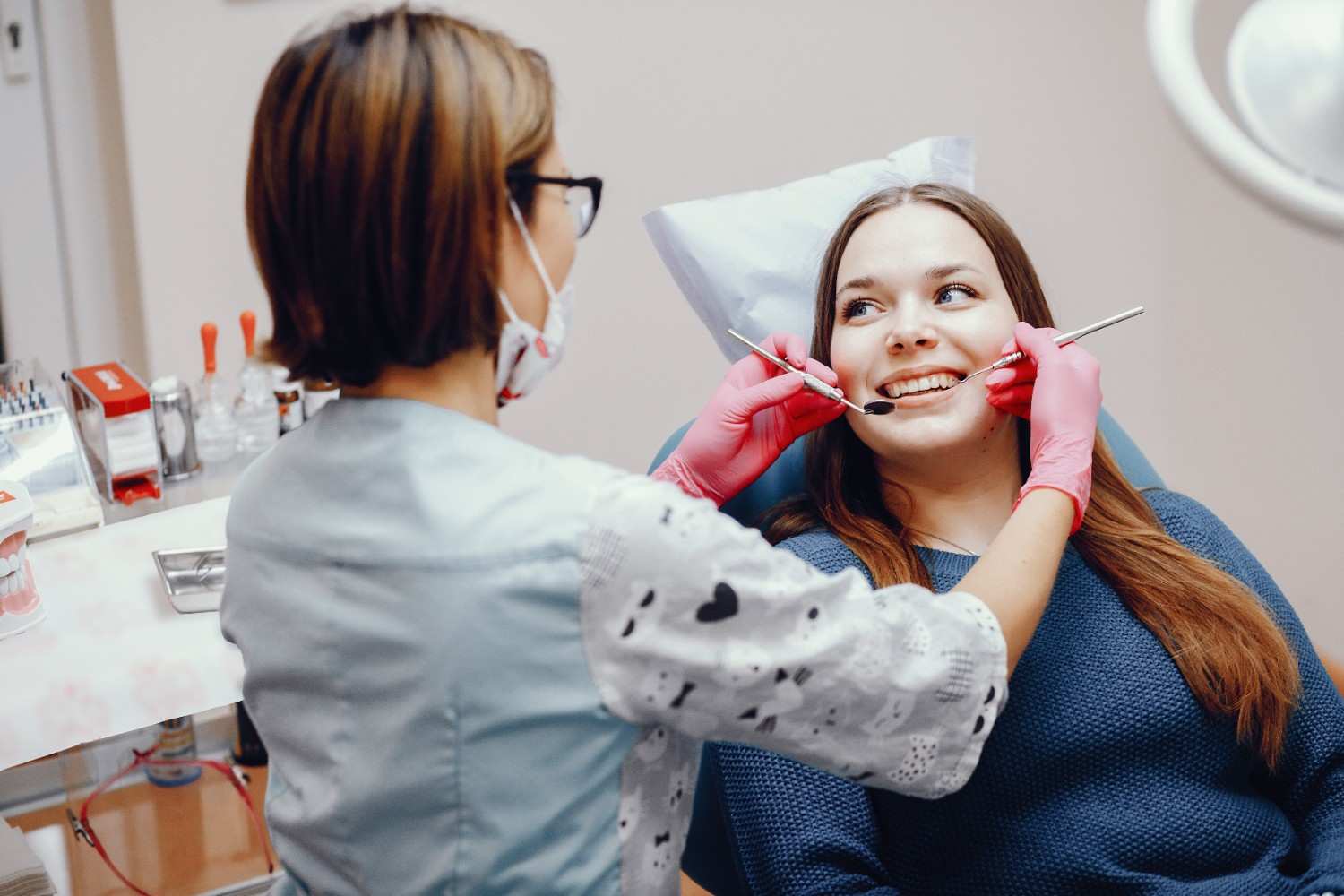
You book a dental check-up, but as the appointment approaches, uncertainty creeps in—what exactly will the dentist do? Will it hurt? How long will you be in the chair? Many people feel anxious about dental visits simply because they don’t know what to expect. A routine dental check-up is a comprehensive examination that typically takes 45 to 60 minutes and includes visual examination, professional cleaning, X-rays when needed, and preventive care. For families in Salisbury, Paralowie, Parafield Gardens, and surrounding areas, understanding each step of the process reduces anxiety and helps you appreciate the value of regular preventive dental care. Knowledge removes fear—once you know what happens and why each step matters, dental visits become routine healthcare rather than mysterious ordeals.
What to Expect: The Complete Check-Up Timeline
How long a routine dental appointment takes
Expect to spend 45 to 60 minutes at your dental check-up from the time you sit in the chair until you leave. Simple check-ups with minimal tartar buildup might finish in 30 to 40 minutes, whilst appointments requiring extensive cleaning or detailed discussions about treatment needs could extend to 75 minutes. The duration varies based on your oral health status, how long since your last visit, and whether X-rays are needed.
Who you’ll see during your visit
You’ll typically see both a dental hygienist and a dentist during routine check-ups. The hygienist performs most of the professional cleaning work—scaling, polishing, and flossing—which takes 20 to 30 minutes. Then the dentist conducts the comprehensive examination, reviews findings, discusses any concerns, and creates treatment plans. This team approach ensures thorough care and efficient use of the dentist’s specialized expertise.
What to bring to your appointment
Bring your private health insurance card if you have dental cover, an updated list of all medications you currently take including supplements, information about any changes to your medical history since your last visit, and a list of questions or concerns you want to discuss. If it’s your first visit to a new practice, arrive 10 minutes early to complete registration paperwork.
The typical flow of a check-up
Most appointments follow a standard sequence—health history review and discussion of concerns, visual oral examination, head and neck cancer screening, X-rays if needed, professional cleaning including scaling and polishing, fluoride treatment when beneficial, final dentist examination and assessment, discussion of findings and treatment planning, and scheduling follow-up appointments. Understanding this flow helps you know what’s happening at each stage.
Step 1: Health History Review and Initial Discussion
Updating your medical history
Your dental team will ask about new medical conditions diagnosed since your last visit, recent surgeries or hospitalizations, changes to medications, new allergies, and recent illnesses. This information matters because many medical conditions and medications affect oral health and influence treatment decisions. For example, blood thinners increase bleeding risk during procedures, whilst diabetes affects gum disease progression.
Discussing any dental concerns
This is your opportunity to mention pain, sensitivity to hot or cold, bleeding gums when brushing, loose teeth, clicking or popping jaw joints, or cosmetic concerns about your smile. Don’t wait for the dentist to discover problems—sharing symptoms helps direct the examination and ensures nothing gets overlooked.
Sharing information about your oral hygiene routine
Be honest about how often you actually brush and floss, what products you use, and challenges you face with home care. Dentists aren’t judging—they need accurate information to provide helpful, realistic guidance. Admitting you skip flossing or only brush once daily allows your dentist to understand why certain problems exist and offer practical solutions.
Why honesty matters
Accurate information helps your dentist provide appropriate care and identify risks. If you claim to floss daily but your gums show clear signs of neglect, your dentist can’t address the real issue—perhaps you don’t know proper flossing technique, perhaps you need easier tools like floss picks, or perhaps you need motivation to establish the habit. Honesty enables effective help.
Step 2: Visual Oral Examination
Examining teeth for cavities, cracks, wear, and existing dental work
Your dentist systematically examines every tooth using a small mirror and explorer instrument. They look for dark spots indicating decay, visible holes or pits in enamel, cracks or fractures, excessive wear from grinding, and the condition of existing fillings, crowns, or other dental work. Each tooth gets individual attention to catch problems early.
Checking gums for inflammation, recession, bleeding, and pocket depth
Healthy gums are firm, pink, and don’t bleed with gentle pressure. Your dentist examines gum color and texture, checks for swelling or recession exposing tooth roots, notes any bleeding when probed gently, and measures pocket depth between gums and teeth. Pockets deeper than 3mm suggest gum disease requiring treatment.
Inspecting tongue, cheeks, lips, and palate for abnormalities
The soft tissues of your mouth get thorough examination for red or white patches, sores or lesions that don’t heal, unusual lumps or thickening, and changes in texture or color. Most oral cancers develop on tongue, floor of mouth, or soft palate, making comprehensive soft tissue examination essential for early detection.
Evaluating bite alignment and jaw function
Your dentist watches how your teeth come together when you bite, checks for signs of uneven wear patterns, listens for clicking or popping sounds when you open and close your mouth, and assesses whether your jaw moves smoothly without deviation. Bite problems cause uneven tooth wear, jaw pain, and headaches if left unaddressed.
Looking for signs of teeth grinding or clenching
Worn, flattened tooth surfaces, especially on molars and front teeth, indicate nighttime grinding (bruxism). Your dentist also checks for fractured or chipped teeth, enlarged jaw muscles from clenching, and tongue indentations or cheek ridges from pressing against teeth. If you grind your teeth, you might benefit from a protective sports mouthguard for nighttime wear.
Using a dental mirror and explorer
The small round mirror allows your dentist to see tooth surfaces facing your tongue and cheek that are otherwise invisible. The explorer—a pointed instrument—helps detect cavities by catching on rough spots in enamel and probes the depth of potential decay. These simple tools remain essential despite modern technology.
Step 3: Head and Neck Cancer Screening
Why oral cancer screening is part of every check-up
Early detection dramatically improves oral cancer survival rates, making routine screening during dental check-ups potentially lifesaving. Dentists see your mouth more frequently than any other healthcare provider, positioning them perfectly to catch abnormalities early. This screening takes just a few minutes but provides enormous value.
Visual inspection of face, neck, and skin
Your dentist looks at facial symmetry, checking whether both sides appear similar, examines skin for lesions, sores, or unusual marks, and notes any visible lumps or swelling. Asymmetry or changes in facial structure sometimes indicate underlying problems requiring further investigation.
Palpating lymph nodes in neck
Your dentist uses their fingers to feel lymph nodes under your jaw, along the sides of your neck, and behind your ears, checking for swelling, hardness, or tenderness. Swollen or hard lymph nodes can signal infection, inflammation, or in rare cases, serious conditions requiring medical evaluation. Normal lymph nodes feel soft and mobile rather than hard and fixed.
Examining soft tissues for patches, sores, or growths
Red or white patches on tongue, cheeks, or palate, sores that haven’t healed within two weeks, raised lumps or thickened areas, and any changes from your previous examinations receive careful attention. Most abnormalities are benign, but persistent changes warrant further investigation to rule out serious conditions.
What happens if your dentist finds something concerning
If your dentist discovers anything unusual, they’ll explain what they found, why it warrants attention, and recommend either monitoring it over time or referring you to a specialist for biopsy and definitive diagnosis. Early referral and investigation are precautionary measures that often reveal benign conditions, but catching serious problems early saves lives.
Step 4: Digital X-Rays (When Needed)
How often X-rays are taken
Most adults need X-rays every 12 to 24 months, whilst children and high-risk patients may require them more frequently. Your dentist determines X-ray frequency based on your age, cavity history, gum disease status, and how long since your last X-rays. Not every check-up includes X-rays—they’re taken when clinically necessary.
Types of dental X-rays
Bitewing X-rays show the crowns of upper and lower teeth together, revealing decay between teeth and bone levels around teeth. Panoramic X-rays capture your entire mouth in one image, showing all teeth, jaw bones, sinuses, and other structures. Periapical X-rays focus on individual teeth from crown to root tip, useful for examining specific problem areas.
What X-rays reveal that visual exams can’t
X-rays detect cavities between teeth where your dentist can’t see visually, bone loss from gum disease hidden below the gumline, infections or abscesses at tooth roots, impacted wisdom teeth, developing permanent teeth in children, and abnormalities in jaw bone or sinuses. Many serious dental problems develop invisibly until X-rays reveal them.
Digital X-rays reduce radiation exposure by up to 90%
Modern digital X-ray systems emit significantly less radiation than traditional film X-rays—up to 90% reduction in some cases. The radiation exposure from a full set of dental X-rays equals about what you receive from a few hours of natural background radiation or a short airplane flight. Digital systems make an already safe procedure even safer.
How digital X-rays work
Digital sensors capture X-ray images instantly and display them immediately on computer screens. Your dentist can enlarge images to see fine details, adjust contrast and brightness for better visibility, easily share images with specialists electronically, and store them permanently in your digital record. The instant results mean no waiting for film to develop.
Safety of dental X-rays
Dental X-rays use extremely low radiation doses—the amount you’d receive from natural environmental sources in a few hours. Protective lead aprons and thyroid collars shield your body from scatter radiation. Pregnant women can safely have dental X-rays when necessary, though dentists typically postpone non-urgent X-rays until after pregnancy as an extra precaution.
Step 5: Professional Teeth Cleaning (Scale and Clean)
Why professional cleaning matters
Professional cleaning removes hardened plaque (tartar or calculus) that you can’t eliminate with home brushing and flossing. Once plaque mineralizes into tartar, it bonds to tooth surfaces and requires professional instruments to remove. Leaving tartar in place leads to gum disease, bone loss, and eventual tooth loss.
Scaling—removing tartar from tooth surfaces
Your hygienist uses specialized scalers—handheld or ultrasonic instruments—to remove tartar from tooth surfaces and below the gumline. Handheld scalers scrape deposits off teeth, whilst ultrasonic scalers use vibrations and water spray to break up tartar. The process is thorough but not painful, though you’ll feel pressure and scraping sensations.
What the scraping sound and sensation means
The scratching, scraping sounds during scaling are normal—your hygienist is removing hardened deposits from your teeth. The sensation feels odd but shouldn’t hurt. If you experience sharp pain rather than pressure, let your hygienist know immediately so they can adjust technique or apply numbing gel if needed.
More tartar buildup means more time needed
If it’s been years since your last cleaning or you have heavy tartar accumulation, scaling takes longer than for patients with minimal buildup. Some people form tartar quickly despite good home care due to saliva chemistry, whilst others accumulate little tartar over long periods. Regular six-monthly cleanings keep tartar manageable and appointments brief.
Polishing with gritty prophylaxis paste
After removing all tartar, your hygienist polishes teeth with slightly abrasive paste and a rotating rubber cup. This removes surface stains from coffee, tea, and food, and creates smooth tooth surfaces. The paste comes in various flavors—mint, cherry, orange—though the gritty texture remains regardless of flavor.
Why polishing helps
Smooth, polished teeth resist plaque accumulation better than rough surfaces. Bacteria and food particles adhere more readily to rough or stained areas. Polishing creates the ultra-smooth feel you notice with your tongue after cleaning and makes home brushing and flossing more effective between dental visits.
Professional flossing
Your hygienist thoroughly flosses between all teeth to remove any remaining debris, plaque, or polishing paste. This final step ensures complete cleaning and allows the hygienist to check that nothing was missed during scaling. Professional flossing also demonstrates proper technique you can replicate at home.
Step 6: Fluoride Treatment
Who benefits from fluoride treatment
Children benefit most from professional fluoride, though adults at high cavity risk, those with sensitive teeth, people with gum recession exposing roots, and anyone with orthodontic appliances also gain significant protection. Your dentist recommends fluoride treatment based on your individual cavity risk and tooth sensitivity.
How professional fluoride works
Concentrated fluoride varnish or gel penetrates tooth enamel, replenishing minerals lost to acid attacks and making teeth more resistant to future decay. Professional fluoride delivers far higher concentrations than toothpaste, providing superior strengthening and protection. It also helps reduce tooth sensitivity by blocking exposed dentin tubules.
Application process
Your hygienist or dentist paints fluoride varnish directly onto clean, dry teeth using a small brush. The varnish sets immediately on contact with saliva, requiring no drying time or uncomfortable trays. The entire application takes just 2 to 3 minutes. The varnish feels slightly sticky but doesn’t taste unpleasant.
Fluoride aftercare instructions
Avoid eating solid foods, drinking beverages other than water, brushing, or flossing for 4 to 6 hours after fluoride application to allow maximum absorption into enamel. You can drink water through a straw if needed. The temporary dietary restriction feels inconvenient but dramatically increases fluoride’s protective benefits.
Why professional fluoride is more effective than toothpaste
Professional fluoride contains concentrations of 12,000 to 22,600 ppm fluoride compared to 1,000 to 1,450 ppm in standard toothpaste. This higher concentration delivers stronger enamel protection and sensitivity relief than you can achieve with home products alone. The two work together—professional treatments supplementing daily toothpaste use.
Step 7: Modern Dental Technology You Might Encounter
Intraoral cameras
These tiny cameras—about the size of a large pen—fit comfortably in your mouth and capture high-resolution color images of your teeth displayed on screens. You see exactly what your dentist sees, making it easy to understand problems like cracked fillings, worn enamel, or gum recession.
How intraoral cameras improve patient understanding
Seeing enlarged images of your own teeth helps you understand why your dentist recommends certain treatments. A tiny crack invisible in a mirror becomes obvious when magnified on a screen. Visual evidence makes abstract dental problems concrete and comprehensible, improving treatment acceptance and patient education.
Digital imaging benefits
Digital systems provide instant results without chemical processing, easily share with specialists or insurance companies electronically, store permanently without physical storage space, allow side-by-side comparison of images from different dates to track changes, and enhance images for better visibility of subtle problems. Digital technology has revolutionized dental diagnostics.
CBCT 3D imaging for complex cases
Cone Beam Computed Tomography creates three-dimensional images showing teeth, bones, nerves, and sinuses from all angles. This technology proves invaluable for planning dental implant placement, evaluating impacted wisdom teeth, diagnosing TMJ problems, and assessing complex root canal cases. Most routine check-ups don’t require 3D imaging, but it’s available when needed.
Laser cavity detection
Some practices use laser devices that detect early cavities before they’re visible to the naked eye or on X-rays. The laser measures changes in tooth structure caused by demineralization, alerting dentists to problem areas that can be remineralized with fluoride rather than requiring fillings.
Step 8: Final Dentist Examination and Assessment
Dentist’s comprehensive review
After the hygienist completes cleaning, your dentist reviews all findings from the hygienist’s notes, examines your teeth personally, studies any X-rays taken, and forms an overall assessment of your oral health. This double-checking ensures nothing gets overlooked and provides the dentist with complete information for treatment planning.
Checking bite and jaw alignment in detail
Your dentist asks you to bite together in various positions, watches how your teeth meet when you chew, checks for signs of uneven wear indicating bite problems, and assesses jaw joint function. Bite analysis helps identify issues causing tooth damage, jaw pain, or headaches that patients sometimes don’t realize are dentally related.
Reviewing overall oral health status
Your dentist considers the big picture—are things improving, declining, or remaining stable compared to previous visits? They identify trends requiring attention before they become serious problems. This longitudinal perspective catches gradual changes you might not notice yourself.
Identifying any problems requiring treatment
Your dentist creates a prioritized list of problems found—cavities needing fillings, worn areas requiring crowns, gum disease needing periodontal treatment, or failing dental work needing replacement. Not everything requires immediate treatment, so your dentist distinguishes urgent issues from those that can wait with monitoring.
Step 9: Treatment Planning and Discussion
Explaining findings in clear, understandable language
Your dentist describes problems using terms you can understand rather than technical jargon, shows you visual evidence on X-rays or intraoral camera images, and explains why identified problems matter and what happens if left untreated. Good communication ensures you understand your situation and can make informed decisions.
Discussing treatment options
Most dental problems have multiple treatment approaches with different costs, durability, and aesthetic outcomes. Your dentist explains available options, recommends what they consider best for your situation, and helps you weigh pros and cons of each approach. For example, a damaged tooth might be saved with a dental crown or might need extraction and replacement with a dental implant.
Providing cost estimates for recommended treatments
Your dentist or front desk staff provides cost estimates for recommended work, explains what your private health insurance typically covers, and discusses payment plan options if costs exceed your immediate budget. Knowing costs upfront helps you plan and prioritize treatments.
Prioritizing urgent vs non-urgent treatments
Some problems demand immediate attention—infections, severe pain, or teeth at risk of fracturing—whilst others can safely wait weeks or months with monitoring. Your dentist helps you understand what’s urgent versus what’s important but not time-sensitive, allowing you to schedule treatments according to your circumstances.
Answering your questions and addressing concerns
This is your opportunity to ask about anything unclear, express concerns about pain or costs, discuss sedation options if you’re anxious, or request alternatives to recommended treatments. No question is too simple or insignificant—your dentist wants you to feel informed and comfortable with treatment decisions.
Scheduling follow-up appointments
If treatments are needed, you’ll book appointments before leaving rather than planning to call later. Immediate scheduling ensures you actually follow through with recommended care rather than postponing indefinitely. The front desk staff can often accommodate your schedule preferences and spread appointments across several weeks if needed.
Step 10: Personalized Oral Hygiene Advice
Reviewing your current brushing and flossing technique
Your dentist or hygienist demonstrates proper brushing technique using models, corrects any errors in your current method, and may watch you brush to identify areas for improvement. Even people who’ve brushed their entire lives often discover they’ve been missing certain areas or using ineffective technique.
Recommending specific products for your needs
Rather than generic advice to “brush and floss,” your dental team suggests specific products for your situation—toothpaste for sensitivity, electric toothbrushes if you have arthritis limiting manual dexterity, interdental brushes for wide spaces between teeth, or water flossers if you struggle with traditional floss. Personalized recommendations work better than one-size-fits-all guidance. Learn more about teaching children proper oral hygiene.
Dietary counselling
Your dentist discusses how dietary choices affect your teeth—frequency and timing of sugary snacks, acidic beverages eroding enamel, and foods that protect teeth. For families, guidance about foods damaging children’s teeth helps prevent childhood cavities.
Addressing bad habits
If you smoke or vape, your dentist offers smoking cessation resources and explains how tobacco affects oral health. They might discuss nighttime grinding requiring a protective guard, nail biting damaging teeth, or using teeth as tools to open packages. Identifying harmful habits allows you to address them before they cause serious damage.
Setting realistic goals for home care improvements
Rather than overwhelming you with everything you should change, your dentist helps you choose one or two improvements to focus on first. Successfully establishing one new habit—perhaps daily flossing—builds confidence and momentum for additional changes later. Realistic goals lead to sustainable improvements.
Common Problems Dentists Look For
Tooth decay and cavities
Dentists search for dark spots or discoloration on tooth surfaces, visible holes or pits in enamel, areas where their explorer catches on rough or sticky spots indicating decay, and shadows on X-rays showing cavities between teeth or under existing fillings. Early detection allows simple fillings rather than waiting for root canals.
Gum disease (gingivitis and periodontitis)
Red, swollen gums instead of healthy pink tissue, bleeding when gums are gently probed, gum recession exposing tooth roots, deep pockets between teeth and gums measuring over 3mm, and bone loss visible on X-rays all indicate gum disease requiring treatment. Learn about restorative dentistry options for advanced gum disease.
Worn or damaged teeth
Chips, cracks, or fractures in enamel, excessive wear creating flat surfaces on teeth, tooth sensitivity from exposed dentin, and broken cusps on molars suggest grinding, hard food consumption, or trauma. Damaged teeth often need crowns or other restorations to prevent further breakdown.
Failing dental work
Loose fillings, cracked or chipped crowns, gaps forming between teeth and existing restorations where decay can develop, and discolored areas around old dental work indicate failing restorations needing replacement. Nothing lasts forever—even well-done dental work eventually requires updating.
Tooth sensitivity
Exposed tooth roots from gum recession, worn enamel revealing sensitive dentin underneath, cracked teeth allowing temperature changes to reach nerves, and decay approaching tooth pulp all cause sensitivity to hot, cold, sweet, or pressure. Identifying sensitivity’s cause allows appropriate treatment.
Plaque and tartar accumulation
Soft, sticky plaque coating teeth appears whitish or yellowish, whilst hardened tartar forms rough, brownish deposits most commonly on lower front teeth behind the tongue and upper back teeth near cheeks. Heavy accumulation indicates inadequate home care or long intervals between professional cleanings.
Misalignment and bite problems
Overcrowded teeth overlapping each other, gaps between teeth, overbite where upper front teeth severely overlap lower teeth, underbite where lower teeth protrude beyond upper teeth, and crossbite where some upper teeth sit inside lower teeth when biting all affect function and appearance. Orthodontic evaluation may be warranted.
Signs of oral cancer
Unusual red or white patches that don’t resolve within two weeks, sores or ulcers that won’t heal, lumps or thickened areas in cheeks or tongue, persistent numbness or pain without obvious cause, and changes in how dentures fit all warrant further investigation. Most prove benign, but investigation is essential.
TMJ disorders
Jaw clicking or popping sounds when opening or closing, pain in jaw joints or muscles, difficulty opening mouth fully, jaw deviating to one side when opening, and muscle tension in jaw or temples suggest temporomandibular joint problems. Treatment ranges from conservative approaches like bite guards to surgery for severe cases.
Sleep apnea indicators
Heavily worn teeth from nighttime grinding, large tongue with scalloped edges from pressing against teeth, enlarged tonsils visible in the throat, and reports of loud snoring or interrupted breathing during sleep suggest sleep apnea. Dentists can screen for sleep apnea and provide sleep apnoea treatment options like oral appliances.
The Cost of Routine Dental Check-Ups in Australia (2026)
Average cost of check-up and clean
Expect to pay $200 to $350 for a standard check-up and professional cleaning in 2026, including comprehensive examination, scaling and polishing, and fluoride treatment if needed. Costs vary by location—metropolitan practices typically charge more than regional practices—and by how much work is required based on your oral health status.
What’s included in standard check-up fees
Your check-up fee covers comprehensive oral examination of teeth and soft tissues, periodontal assessment checking gum health, professional scaling to remove tartar, tooth polishing, fluoride application if beneficial, oral hygiene instruction, and treatment planning discussion. This represents thorough preventive care providing excellent value.
Additional costs
X-rays cost $80 to $140 for a standard set of bitewings. Extensive periodontal charting for gum disease patients may incur additional fees. Heavy tartar requiring extended cleaning time sometimes costs extra. Your dentist will inform you of additional charges before proceeding.
How private health insurance reduces costs
Most private health insurance extras cover dental benefits pay 60 to 100% of preventive care costs depending on your level of cover. Basic policies cover less whilst comprehensive policies often provide 100% coverage for check-ups and cleaning up to annual limits. Check your specific policy details.
HICAPS on-the-spot claiming
Most dental practices process health insurance claims instantly using HICAPS terminals, allowing you to pay only the gap amount at your appointment rather than paying full fees and claiming reimbursement later. This convenience removes the barrier of upfront costs.
Public dental services for concession cardholders
South Australian residents with health care cards, pension concession cards, or Commonwealth Seniors Health Cards may qualify for free or low-cost care through SA Dental public services. Waiting times for non-urgent preventive care can be substantial, but emergency treatment receives priority.
Child Dental Benefits Schedule
Eligible children aged 2 to 17 can access up to $1,158 in dental benefits over two consecutive calendar years for check-ups, cleaning, X-rays, fluoride treatments, fissure sealants, and fillings. Learn more about using the Child Dental Benefits Schedule in Salisbury.
Managing Dental Anxiety About Check-Ups
How common dental anxiety is
Dental anxiety affects up to 75% of adults to some degree, ranging from mild uneasiness to severe phobia preventing people from seeking care. You’re not alone if dental visits make you nervous. Understanding what happens during appointments often reduces anxiety significantly.
Tell your dentist about your fears
Inform your dentist and hygienist about your anxiety at the beginning of your appointment. This allows them to adjust their approach—explaining each step before doing it, taking breaks when you need them, and providing extra reassurance. Dental teams want you to feel comfortable and will adapt to your needs. Read tips on helping children overcome dental fear.
Schedule morning appointments
Book check-ups for early in the day rather than afternoon or evening. This gives you less time to build up worry throughout the day. Morning appointments also tend to run more on schedule since the practice hasn’t accumulated delays yet.
Bring headphones and listen to music
Listening to music, podcasts, or audiobooks through headphones provides helpful distraction during cleaning and examination. The sounds and sensations of dental work feel less overwhelming when you’re focused on something else. Ask your dentist if you can raise your hand if you need them to stop whilst you’re wearing headphones.
Practice deep breathing and relaxation techniques
Slow, deep breathing activates your parasympathetic nervous system, countering the fight-or-flight response anxiety triggers. Try breathing in for four counts, holding for four, exhaling for four, and repeating throughout your appointment. Progressive muscle relaxation—tensing and releasing muscle groups—also reduces physical tension.
Ask dentist to explain each step before proceeding
Fear of the unknown intensifies anxiety. Asking your dentist to tell you what they’re about to do before they do it removes surprise and gives you a sense of control. Most dentists happily narrate their work when they know it helps you feel comfortable.
Establish a “stop” signal
Agree on a hand signal—typically raising your hand—that means “I need a break”. Knowing you can stop the procedure any time reduces feelings of being trapped or helpless. Dentists routinely honor stop signals and check that you’re ready before continuing.
Bring a support person
Having a trusted family member or friend accompany you to the appointment and sit in the treatment room provides comfort and reassurance. Support people can hold your hand, help you remember questions to ask, and provide transportation if you’re particularly anxious.
Avoid caffeine before appointment
Coffee, energy drinks, and other caffeinated beverages increase jitteriness and physical symptoms of anxiety. Stick to water or herbal tea before your appointment to maintain calmer baseline arousal.
Visit regularly to make it routine
Paradoxically, regular frequent dental visits reduce anxiety more effectively than avoiding the dentist. Familiarity normalizes the experience, proven positive experiences build confidence, and consistent care prevents the painful emergencies that create dental phobias.
Preparing for Your Dental Check-Up
Brush and floss before your appointment
Clean teeth before arriving shows courtesy to your hygienist and allows them to work more efficiently. It doesn’t hide anything—dentists see signs of overall oral hygiene patterns regardless—but starting with a cleaner mouth makes the appointment more pleasant for everyone.
List questions and concerns to discuss
Write down anything you want to ask rather than trying to remember during your appointment. Include concerns about sensitivity, cosmetic issues, costs of past treatment recommendations, or questions about your children’s dental development. Written lists ensure nothing gets forgotten.
Gather your health insurance information
Bring your health fund membership card and know your policy number. If you’re unsure what your dental coverage includes, call your insurer beforehand or ask the dental practice to check your benefits when booking.
Update your medication list
Write down all prescription medications, over-the-counter drugs, vitamins, and supplements you currently take, including dosages. Many medications affect oral health or interact with dental treatments, making accurate medication information essential for safe care.
Arrive 10 minutes early for paperwork
First-time patients need to complete registration forms, medical history questionnaires, and consent documents. Arriving early ensures you finish paperwork without delaying your appointment. Returning patients can arrive right on time since their records are already on file.
Eat a light meal beforehand
You won’t be able to eat for 30 minutes to several hours after your appointment depending on whether you receive fluoride treatment or numbing medication for procedures. Eating beforehand prevents hunger and low blood sugar affecting your comfort.
After Your Check-Up: What to Expect
Teeth may feel sensitive immediately after cleaning
Temporary sensitivity to temperature or pressure for a day or two after professional cleaning is normal, particularly if you had substantial tartar buildup removed or haven’t had a cleaning in years. The sensitivity resolves quickly as teeth adjust.
Gums might be slightly tender or bleed a bit
If your gums were inflamed before cleaning or you had significant tartar under the gumline, gums may feel tender and bleed slightly for a day after scaling. This improves rapidly as inflammation decreases. If bleeding persists beyond a few days, contact your dentist.
Your mouth will feel exceptionally clean and smooth
Enjoy the fresh, smooth feeling after professional cleaning. Your tongue will notice how slick and polished your teeth feel compared to their normal texture. This clean feeling motivates better home care to maintain it longer.
Following fluoride treatment instructions
If you received fluoride varnish, avoid eating solid foods, drinking anything except water, brushing, and flossing for 4 to 6 hours. This waiting period feels inconvenient but allows maximum fluoride absorption into enamel for optimal protection and sensitivity relief.
Scheduling your next check-up before leaving
Book your next appointment before leaving the practice rather than planning to call later. Most people need check-ups every six months. Pre-scheduling ensures you maintain consistent preventive care rather than letting years pass between visits. Learn more about how often you should see a dentist.
Following up on recommended treatments
If your dentist identified problems requiring treatment, schedule those appointments promptly. Delaying treatment allows problems to worsen, ultimately costing more and causing more pain than addressing them early. Small fillings are simpler and cheaper than root canals and crowns.
The Difference Between Check-Ups and Other Dental Visits
Routine check-up vs emergency visit
Check-ups are scheduled preventive care when nothing hurts, focusing on detection and prevention. Emergency visits address urgent problems—severe pain, swelling, trauma, or infections requiring immediate treatment. Check-ups prevent many emergencies from occurring. If you experience a dental emergency, seek immediate care rather than waiting for your scheduled check-up.
Check-up vs comprehensive examination
Standard check-ups provide thorough screening suitable for most patients. Comprehensive examinations involve more extensive assessment—full periodontal charting, complete X-ray series, oral cancer screening with special lights, and detailed photographs. New patients or those with complex problems receive comprehensive exams, whilst established patients with stable health need only standard check-ups.
Cleaning vs deep cleaning (scaling and root planing)
Standard cleaning removes plaque and tartar from visible tooth surfaces and slightly below the gumline. Deep cleaning treats gum disease by removing tartar from deep periodontal pockets and smoothing root surfaces to promote gum reattachment. Deep cleaning typically requires local anesthetic and multiple appointments.
When check-ups aren’t enough
If your check-up reveals active gum disease with pocket depths over 4mm, frequent cavities despite good home care, or complex problems requiring specialist evaluation, you’ll need more than routine preventive care. Your dentist will recommend appropriate treatment intensity for your situation.
Special Considerations for Children’s Check-Ups
What’s different about children’s dental visits
Children’s check-ups use smaller instruments sized for little mouths, take extra time for education and habit coaching, focus heavily on prevention through fluoride and sealants, and emphasize creating positive associations rather than rushing through appointments. Pediatric approaches build comfort and trust.
Fluoride varnish application for kids
Professional fluoride varnish dramatically reduces childhood cavity rates. Application takes just minutes—the dentist paints varnish onto clean teeth and it sets immediately. Children can return to normal activities right away, though they should avoid hard or sticky foods for a few hours.
Fissure sealants
Protective plastic sealants painted into the deep grooves of permanent molars prevent 80% of cavities in sealed teeth. Application is quick, painless, and highly effective. Most children should receive sealants on permanent molars as they erupt around ages 6 and 12.
Teaching children proper brushing and flossing
Dentists and hygienists spend significant time during children’s appointments demonstrating proper oral hygiene technique, letting children practice on models, and explaining in age-appropriate language why brushing and flossing matter. This education builds skills children use for life.
Making dental visits positive experiences
Friendly, patient staff, colorful child-friendly environments, rewards like stickers or small toys, and avoiding scary language help children view dental visits positively rather than fearfully. Early positive experiences prevent adult dental phobias. Learn more about preparing children for dental visits.
Maximizing the Value of Your Check-Up
Ask questions
Don’t leave confused or uncertain. Ask about your specific cavity risk level, whether your current brushing technique is effective, what products would benefit your situation, and whether your children need any preventive treatments. Dentists want to educate—questions are welcome and encouraged.
Take photos of X-rays or findings
If your dentist shows you problems on X-rays or intraoral camera images, ask if you can photograph the screen with your phone. Having visual references helps you remember and understand issues when discussing treatment options with family or getting second opinions.
Request written treatment plans
For complex treatment needs involving multiple procedures, ask for written treatment plans detailing each procedure, its priority level, estimated cost, and insurance coverage. Written plans help you budget, prioritize, and schedule treatments methodically rather than feeling overwhelmed.
Discuss prevention strategies specific to your needs
Generic advice to brush and floss helps less than personalized strategies addressing your unique challenges. If you struggle with flossing, ask about alternatives like water flossers or interdental brushes. If you develop cavities despite good care, discuss dietary changes or prescription-strength fluoride toothpaste.
Be honest about home care compliance
Claiming you floss daily when you don’t prevents your dentist from addressing the real barriers preventing you from flossing. Honesty allows problem-solving—perhaps you need easier tools, clearer technique instruction, or help establishing the habit. Dentists aren’t judging—they’re helping.
Why Regular Check-Ups Matter
Early detection prevents expensive treatments
Catching cavities when they’re tiny and require simple fillings saves hundreds or thousands of dollars compared to waiting until you need root canals, crowns, or extractions. Early gum disease responds to professional cleaning, whilst advanced periodontitis requires surgery. Prevention and early intervention are dramatically cheaper than delayed treatment.
Professional cleaning prevents gum disease
Gum disease is the most common cause of adult tooth loss, yet it’s largely preventable with regular professional cleaning removing bacterial deposits that home care misses. Six-monthly cleanings keep gums healthy and teeth stable for life.
Oral cancer screening saves lives
Oral cancer caught early has 80 to 90% five-year survival rates, whilst late-stage detection drops survival to 30 to 40%. Routine oral cancer screening during check-ups catches abnormalities early when treatment is most effective. This simple screening takes minutes and could save your life.
Monitoring systemic health
Your mouth reflects your overall health. Dentists often detect early signs of diabetes, vitamin deficiencies, eating disorders, autoimmune diseases, and other systemic conditions by examining oral tissues. Dental visits provide valuable health monitoring beyond just teeth.
Building relationships with your dental team
Consistent care with the same dental practice allows your dentist to know your history, recognize changes from your normal baseline, understand your concerns and preferences, and provide personalized care. Continuity improves outcomes compared to seeing different providers sporadically.
Establishing baseline for comparison
Your first thorough check-up establishes baseline documentation of your oral health. Future visits compare to this baseline, making it easy to identify changes—new cavities, gum recession, tooth wear, or improvements from better home care. Tracking trends over time catches gradual changes you might not notice.
Access to Dental Check-Ups in Salisbury
Local dental practices serving Salisbury families
Dental practices throughout Salisbury and northern Adelaide offer comprehensive general dentistry services including routine check-ups and professional cleaning for patients of all ages. Convenient locations serve residents of Salisbury, Paralowie, Parafield Gardens, Mawson Lakes, Para Hills, and surrounding suburbs.
Modern technology and equipment
Contemporary dental practices utilize digital X-rays reducing radiation exposure, intraoral cameras helping patients understand treatment needs, digital record-keeping for easy access to your dental history, and comfortable modern treatment rooms designed to reduce anxiety. Technology improves both diagnostic accuracy and patient experience.
Family-friendly practices
Many Salisbury dental practices treat patients from toddlers to seniors in one location, making it convenient for families to schedule multiple appointments together. Family practices understand children’s needs and create welcoming environments that build comfort from early ages.
Accepting all major health funds with HICAPS claiming
Most practices accept all major Australian health funds and process claims through HICAPS terminals, allowing on-the-spot claiming where you pay only your gap amount. This convenience removes the barrier of paying full fees upfront and waiting for reimbursement.
Bulk billing options for eligible children
Eligible children can receive check-ups, cleaning, and basic treatments bulk-billed under the Child Dental Benefits Schedule, with no out-of-pocket costs to families. This makes preventive care accessible for families who might otherwise delay dental visits due to cost concerns.
Payment plans for treatments
If your check-up identifies treatment needs exceeding your immediate budget, many practices offer flexible payment plans spreading costs over weeks or months. These arrangements ensure you can get necessary care without financial stress preventing treatment.
Understanding what happens during a routine dental check-up removes the mystery and anxiety many people feel about dental visits. For families in Salisbury, Paralowie, Parafield Gardens, and surrounding areas, Parabanks Dental provides comprehensive preventive care using modern technology in a welcoming, family-friendly environment. Our thorough check-ups include detailed examination.